In This Article
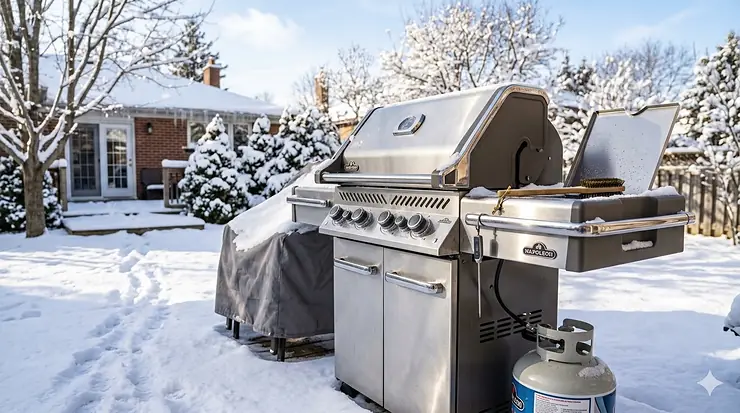
Winter in Canada isn’t just cold—it’s brutal. From the freezing winds sweeping across the Prairies to the heavy snowfalls blanketing the Maritimes, Canadian winters test every piece of outdoor equipment you own. Your BBQ is no exception.
I’ll never forget the spring I uncovered my grill after a particularly harsh Edmonton winter. What greeted me was a rust-covered nightmare that looked more like an archaeological artifact than a cooking appliance. That expensive mistake taught me everything I know about BBQ maintenance tips Canadian winter survival requires.
Whether you’re storing your grill for the season or planning to brave the cold for year-round grilling (yes, some of us Canadians are that dedicated), proper maintenance isn’t optional—it’s essential. Rust, moisture damage, and component failures can transform your premium BBQ into scrap metal faster than you can say “polar vortex.”
This comprehensive guide walks you through everything from choosing the right protective covers to implementing moisture prevention strategies that actually work in Canadian conditions. We’ll explore how to prevent BBQ rust Canada’s climate accelerates, winter BBQ storage tips that professionals use, and the stainless steel cleaning techniques that preserve your investment through decades of freeze-thaw cycles.
Quick Comparison Table: Winter Protection Methods
| Protection Method | Effectiveness | Cost (CAD) | Best For | Maintenance Required |
|---|---|---|---|---|
| Heavy-Duty Cover | ⭐⭐⭐⭐⭐ | $40-$120 | All climates | Monthly checks |
| Indoor Storage | ⭐⭐⭐⭐⭐ | Free | Harsh winters | Seasonal |
| Propane Tank Insulation | ⭐⭐⭐⭐ | $25-$60 | Winter grilling | As needed |
| Stainless Steel Treatment | ⭐⭐⭐⭐ | $15-$35 | Coastal/humid | Bi-weekly |
💬 Just one click – help others make better buying decisions too!😊
Top 7 BBQ Winter Maintenance Products: Expert Analysis
1. Kipiea Heavy-Duty 600D BBQ Cover
The harsh Canadian climate demands serious protection, and this cover delivers. The Kipiea Heavy-Duty BBQ Cover features 600D Oxford fabric construction that stands up to everything from Alberta chinooks to Maritime nor’easters.
Key Specifications:
- 600D waterproof Oxford fabric with PU coating
- Available in 52″, 58″, and 64″ sizes
- Four windproof buckles for secure attachment
- UV-resistant treatment for year-round protection
Price: $45-$65 CAD (varies by size)
Canadian buyers consistently praise this cover’s ability to withstand heavy snow loads without tearing. One reviewer from Winnipeg noted it survived three consecutive winters without degradation—impressive considering temperatures regularly drop below -30°C there.
Pros:
✅ Exceptional wind resistance in prairie conditions
✅ Heavy snow load capacity
✅ Affordable compared to brand-specific covers
Cons:
❌ Requires occasional snow removal in extreme accumulation
❌ May need replacement after 3-4 severe winters
2. Weber Premium Grill Cover for Spirit II 300 Series
For Weber owners, this brand-specific option provides tailored protection. The Weber Premium Cover represents the gold standard for fitted BBQ protection, engineered specifically for Spirit series grills.
Key Specifications:
- Custom-fit design for Weber Spirit II 300 series
- Heavy-duty polyester with water-resistant backing
- Velcro straps for secure fit
- Built-in vents prevent moisture accumulation
Price: $85-$95 CAD
What sets this apart is the precision fit—no gaps where snow or moisture can infiltrate. Canadian Tire regularly stocks these, making replacement convenient across the country.
Pros:
✅ Perfect fit eliminates moisture pockets
✅ Integrated ventilation prevents mold
✅ Long warranty coverage
Cons:
❌ Higher price point
❌ Only fits specific models
3. GoldenRaindrop 100lb Propane Tank Winter Cover
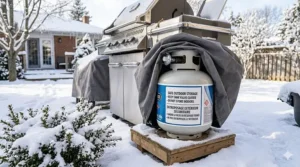
If you’re winter grilling (and honestly, where’s your Canadian spirit if you’re not?), propane tank protection becomes critical. The GoldenRaindrop Insulated Tank Cover features anti-freezing felt insulation that maintains propane flow efficiency even in extreme cold.
Key Specifications:
- 1200D heavy-duty waterproof fabric
- Built-in anti-freeze felt lining
- Openable top for valve access
- Fits standard 100lb propane tanks
Price: $35-$50 CAD
Saskatchewan users report this cover prevents the pressure drops that plague uncovered tanks when temperatures plummet. The openable top design means you don’t need to remove the entire cover to check gauges—a godsend when it’s -25°C outside.
Pros:
✅ Maintains consistent propane pressure
✅ Eliminates frost buildup on tank exterior
✅ Easy valve access without full removal
Cons:
❌ Bulkier than standard covers
❌ Not necessary for stored (non-use) scenarios
4. CLEAN MY STEEL Premium Stainless Steel Cleaner & Rust Remover
Rust prevention starts with proper cleaning. The CLEAN MY STEEL formula removes existing rust while creating a protective barrier against future corrosion—essential for how to prevent BBQ rust Canada’s moisture-rich coastal regions accelerate.
Key Specifications:
- 250ml concentrated formula
- NSF-approved food-safe ingredients
- Works on all stainless steel grades
- Removes flash rust and tea stains
Price: $22-$28 CAD
This Canadian-available product cuts through the stubborn orange discolouration that appears after winter storage. British Columbia grillers dealing with Pacific moisture particularly value its rust-erasing capabilities.
Pros:
✅ Food-safe formulation
✅ Works on stubborn corrosion
✅ Protective coating prevents recurrence
Cons:
❌ Requires monthly application
❌ Smaller bottle size for the price
5. GRILLART Bristle-Free Grill Brush
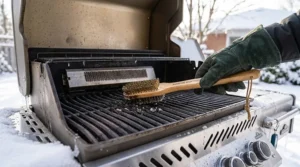
Winter maintenance requires safe cleaning tools. The GRILLART Bristle-Free Brush eliminates the health risks associated with metal bristle brushes while providing effective cleaning for burner protection methods.
Key Specifications:
- 18-inch stainless steel construction
- Triple-coil scrubbing head
- No loose bristles to contaminate food
- Dishwasher safe
Price: $25-$35 CAD
Health Canada has raised concerns about metal bristles contaminating food, making bristle-free options increasingly popular. This brush’s triple-coil design scrubs away carbon buildup without the safety risks. For comprehensive BBQ safety practices, consult Canada’s fire safety guidelines for BBQ season which provide essential protocols for safe grilling.
Pros:
✅ Zero bristle contamination risk
✅ Effective on cast iron and stainless steel
✅ Long handle protects from heat
Cons:
❌ Requires more elbow grease than wire brushes
❌ Wears out faster with heavy use
6. Napoleon Premium Grill Cover for Rogue Series
For Napoleon grill owners, this premium option delivers weather resistance engineered for Canadian climates. The Napoleon Premium Cover incorporates waterproof materials and reinforced seams that handle freeze-thaw cycles better than generic alternatives.
Key Specifications:
- Heavy-duty waterproof polyester
- UV-resistant coating
- Reinforced corner stitching
- Hanging loops for storage
Price: $75-$95 CAD
Available at Canadian Tire and specialty BBQ retailers across Canada, this cover’s Canadian design heritage shows in details like extra reinforcement at stress points—critical when dealing with ice accumulation.
Pros:
✅ Designed specifically for Canadian weather
✅ Widely available across Canada
✅ Excellent customer service
Cons:
❌ Model-specific sizing
❌ Premium pricing
7. Unicook Heavy-Duty Waterproof BBQ Grill Cover
For budget-conscious Canadians seeking solid protection, the Unicook Heavy-Duty Cover delivers impressive value. This universal-fit option accommodates most mid-sized grills while providing essential winter protection.
Key Specifications:
- Heavy-duty waterproof fabric
- Fade and UV resistant
- Fits grills up to 58 inches
- Velcro straps for secure attachment
Price: $30-$45 CAD
Don’t let the budget price fool you—Canadian reviewers report this cover lasting 2-3 winters with proper care. While it won’t outlast premium options, it provides excellent protection for occasional users or those testing winter storage strategies.
Pros:
✅ Exceptional value for money
✅ Universal fit accommodates multiple brands
✅ Widely available on Amazon.ca
Cons:
❌ Shorter lifespan than premium covers
❌ May sag under heavy snow
Understanding Canadian Winter’s Impact on Your BBQ
Canadian winters wage war on outdoor equipment through multiple mechanisms. The freeze-thaw cycle—where temperatures fluctuate above and below freezing—causes moisture expansion that cracks seals and loosens connections. According to Health Canada’s barbecue safety guidelines, barbecues that sit over winter require comprehensive inspection before use, checking for damaged hoses, cracked seals, and grease buildup.
Moisture is your BBQ’s worst enemy. Snow melts on warmer days, seeps into burner assemblies, then freezes overnight. This cycle gradually destroys components from the inside out. Coastal regions face additional challenges from salt-laden moisture that accelerates corrosion exponentially.
Temperature extremes stress metal components differently. Stainless steel contracts in cold, potentially weakening welds and joints. Cast iron becomes brittle. Aluminum components can develop micro-cracks. Understanding these stresses helps you implement appropriate winter BBQ storage tips.
The Canadian propane industry recommends specific precautions for winter storage. Propane contracts in cold weather, reducing pressure and potentially affecting performance. For year-round grillers, insulated tank covers maintain more consistent pressure, ensuring reliable ignition even when mercury drops.
Essential Moisture Prevention Strategies
Preventing moisture infiltration represents your first line of defense against rust. Start by ensuring your BBQ is completely dry before covering. This seems obvious, but it’s commonly overlooked. After your final autumn cookout, heat the grill to 260°C (500°F) for fifteen minutes to evaporate residual moisture from all surfaces.
Position your covered grill strategically. Avoid spots where snow accumulates heavily or where roof runoff creates puddles. Elevate the grill slightly if possible—even 5-10 cm helps prevent moisture wicking from ground contact. Some Canadian grillers use treated lumber or concrete pavers as platforms.
Ventilation prevents condensation buildup inside covers. Quality BBQ covers include vents, but you can improve airflow by slightly loosening covers during dry periods. However, secure them tightly before storms to prevent wind damage and snow infiltration.
For long-term storage, consider moisture-absorbing products. Silica gel packets or activated charcoal bags placed inside the grill cabinet absorb humidity. Some Canadians repurpose the desiccant packets from electronics packaging—free and effective.
Comprehensive Stainless Steel Cleaning Protocol
Stainless steel requires specific care to maintain its rust resistance. The protective chromium oxide layer that prevents corrosion can be damaged by improper cleaning, leaving surfaces vulnerable. Understanding the science of rust formation and prevention helps you implement effective maintenance strategies that preserve your BBQ’s integrity through harsh Canadian conditions.
Start with mild cleaning solutions. Mix warm water with dish soap—nothing fancy needed. Apply with a soft microfibre cloth, wiping with the grain of the steel. The grain runs horizontally on most BBQ surfaces; cleaning against it can create scratches that trap moisture.
For stubborn residue, create a paste from baking soda and water. Apply gently, let it sit for ten minutes, then wipe clean. This method removes grease buildup without the harsh chemicals that can damage protective coatings.
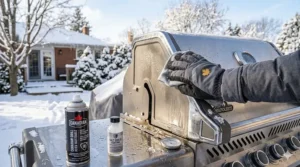
Commercial stainless steel cleaners offer added protection. Products like CLEAN MY STEEL or similar food-safe formulas clean while depositing a thin protective oil layer. Apply these monthly during active use, then thoroughly before winter storage.
Never use chlorine-based cleaners or steel wool on stainless steel. These create microscopic rust particles that contaminate the surface, initiating corrosion. If you must scrub aggressively, use nylon brushes or non-metallic scouring pads.
Burner Protection Methods That Work
Burners face unique winter threats. These critical components suffer most from moisture infiltration and rust, yet they’re often neglected in maintenance routines.
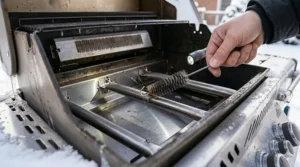
Clean burner ports thoroughly before storage. Use a wire brush or pipe cleaner to remove carbon deposits and grease from each port. Clogged ports trap moisture, accelerating rust. According to expert sources, ensuring burner ports are free of debris represents one of the most effective rust prevention measures.
Apply a light coating of cooking oil to burner surfaces. This creates a moisture barrier that prevents rust formation. Use high-temperature oil like canola or vegetable oil—avoid butter or olive oil which can become rancid.
For year-round grillers, inspect burners monthly. Look for rust spots, uneven flame patterns, or clogged ports. Address issues immediately—small rust spots spread quickly in winter conditions.
Consider removing burners for winter storage if you won’t be grilling. Store them indoors in a dry location, wrapped in paper towels. This eliminates exposure to moisture cycles entirely.
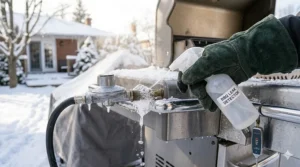
Gas line connections require special attention. Inspect hoses for cracks or brittleness—cold temperatures make rubber brittle. The Canadian Propane Association recommends applying a 50:50 solution of water and dish soap to connections to check for leaks, replacing any damaged components immediately.
Winter Storage vs. Year-Round Use: Strategic Decisions
Canadians fall into two camps: those who store their BBQs winter and those who grill year-round. Each approach demands different maintenance strategies.
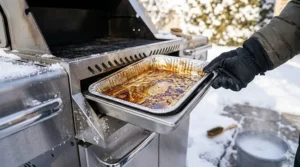
For Winter Storage: Deep clean every component before storage. Remove grates, burners, and drip trays. Clean each piece individually with appropriate products. This prevents grease from hardening over winter, which can trap moisture against metal surfaces.
Disconnect and remove propane tanks. Store them upright in a well-ventilated outdoor area—never indoors or in enclosed spaces like garages. Canadian regulations require outdoor propane storage for safety reasons.
If storing in a garage or shed, ensure adequate ventilation to prevent condensation. Completely dry areas work best. Some Canadians use basement storage for smaller BBQs, though this requires extra precautions against propane residue.
For Year-Round Grilling: Invest in quality covers and insulated propane tank protection. The upfront cost pays dividends in component longevity and consistent performance.
Keep a shorter cleaning schedule. Monthly deep cleans prevent the carbon buildup that accelerates corrosion. Quick post-cook cleanings become even more critical when moisture from snow or rain can immediately penetrate residue.
Monitor propane efficiency. Cold temperatures reduce propane pressure, potentially affecting cooking performance. Insulated covers help, but you may need to allow longer preheat times in winter.
Advanced Rust Prevention Techniques
Beyond basic cleaning, several advanced techniques significantly extend BBQ lifespan in Canadian climates.
Seasoning Cast Iron Grates: Cast iron requires regular seasoning—similar to cast iron cookware. Heat grates to 230°C (450°F), then apply a thin coating of high-temperature cooking oil. Let it smoke and cool. This creates a protective patina that prevents rust while improving non-stick properties.
Protective Coatings: High-temperature spray paints designed for BBQs can restore and protect exterior surfaces. Clean thoroughly, remove loose rust with wire brushes, then apply thin coats. These specialty paints withstand cooking temperatures while providing rust protection.
Strategic Component Replacement: Some components wear faster than others. Replacing burner covers, heat diffusers, and drip trays proactively prevents rust from spreading to more expensive parts. These consumable parts cost $20-$60 CAD and extend overall BBQ life significantly.
Anti-Rust Sprays: Food-safe anti-rust sprays create barriers against moisture. Apply to vulnerable areas like burner housings and inside cabinet spaces. Reapply every 2-3 months during active seasons.
Regional Considerations Across Canada
Canadian BBQ maintenance strategies vary by region due to climate differences.
Atlantic Provinces: High humidity and salt air demand aggressive rust prevention. Monthly stainless steel treatments become essential. Consider indoor storage when possible, as coastal moisture accelerates corrosion dramatically.
Quebec & Ontario: Freeze-thaw cycles dominate these regions. Focus on preventing moisture infiltration through quality covers and elevated positioning. Regular inspections catch freeze damage early.
Prairie Provinces: Extreme cold and wind create unique challenges. Windproof covers are essential—unsecured covers disappear in prairie storms. Propane tank insulation becomes critical for winter grilling.
British Columbia: Coastal regions face moisture challenges similar to Atlantic Canada. Interior BC deals with extreme cold. Adjust strategies based on your specific microclimate.
Northern Territories: Extreme conditions demand premium protection. Many northern Canadians store BBQs indoors or invest in purpose-built storage solutions. The short grilling season makes meticulous winter protection essential.
Professional Maintenance Schedule
Creating a maintenance calendar ensures nothing gets overlooked. Here’s a proven schedule adapted for Canadian conditions:
Monthly (Active Season):
- Deep clean grates and burners
- Inspect gas connections for leaks
- Check cover condition and fit
- Apply stainless steel treatment
Quarterly:
- Remove and clean burners thoroughly
- Inspect all hoses and connections
- Check ignition system function
- Clean drip tray and interior surfaces
Bi-Annually:
- Full component inspection
- Replace worn parts proactively
- Deep clean entire unit
- Assess cover condition
Annually:
- Professional inspection (optional)
- Replace hoses (every 2-3 years)
- Major component assessment
- Complete pre-winter preparation or post-winter restoration
Cost-Benefit Analysis: Maintenance vs. Replacement
Investing in proper maintenance saves substantially compared to replacement costs. A quality BBQ costs $400-$2000+ CAD. Proper maintenance extends lifespan from 5-7 years to 15-20 years.
Annual Maintenance Costs:
- Quality cover: $50-$100 (lasts 3-4 years) = $25-$30/year
- Cleaning products: $30-$50/year
- Replacement parts: $40-$80/year
- Total: $95-$160/year
Replacement Cost Avoidance: Without maintenance, expect replacement every 5-7 years at $800 average = $114-$160/year ongoing cost. With maintenance, replacement stretches to 15-20 years = $40-$53/year.
The mathematics clearly favor maintenance. Additionally, well-maintained BBQs perform better, provide safer cooking, and maintain resale value if you upgrade.
Product Comparison: Top Winter Protection Solutions
| Product | Material | Size Options | Price (CAD) | Winter Rating | Best Feature |
|---|---|---|---|---|---|
| Kipiea 600D Cover | 600D Oxford | 52″, 58″, 64″ | $45-$65 | ⭐⭐⭐⭐⭐ | Wind resistance |
| Weber Premium | Heavy Polyester | Model-specific | $85-$95 | ⭐⭐⭐⭐⭐ | Perfect fit |
| GoldenRaindrop Tank Cover | 1200D + Felt | 100lb tanks | $35-$50 | ⭐⭐⭐⭐⭐ | Insulation |
| Napoleon Premium | Waterproof Poly | Model-specific | $75-$95 | ⭐⭐⭐⭐⭐ | Canadian design |
| Unicook Budget | Heavy-duty fabric | Universal 58″ | $30-$45 | ⭐⭐⭐⭐ | Value |
Troubleshooting Common Winter Damage
Even with preventive maintenance, winter can damage BBQs. Here’s how to address common issues:
Surface Rust on Grates: Clean with a wire brush, then season immediately. For stubborn rust, use a vinegar-baking soda paste, scrub after fifteen minutes, rinse, dry, and oil thoroughly.
Frozen Igniters: Moisture in ignition systems freezes, preventing sparks. Remove igniter, dry completely with compressed air, apply moisture-displacing spray, and test before reassembling.
Burner Clogs: Carbon and rust can clog burner ports. Remove burners, clean each port with wire or pipe cleaners, check for rust perforation (replace if present), and reinstall with light oil coating.
Cracked Hoses: Cold makes rubber brittle. Inspect entire length for cracks or stiffness. Replace immediately—no repairs. Use hoses rated for outdoor Canadian use.
Stuck Valves: Frozen or corroded valves resist turning. Apply penetrating oil, let sit overnight, work gently. Never force—you’ll break the valve. If it won’t budge after treatment, replace it.
Environmental Considerations
Responsible BBQ maintenance includes environmental awareness. Canadian regulations and best practices guide disposal and product selection.
Choose cleaning products carefully. Many commercial cleaners contain harsh chemicals that contaminate groundwater. Food-safe, biodegradable options work effectively while minimizing environmental impact.
Dispose of old BBQ components properly. Scrap metal recycling accepts steel and aluminum parts. Propane tanks require special handling—return empty tanks to retailers or take to hazardous waste facilities.
Consider the lifecycle impact of disposable products. Reusable grill covers, though more expensive initially, reduce landfill waste compared to annual cheap cover replacements. Quality tools last longer, reducing manufacturing demands.
Grease disposal deserves attention. Never pour liquid grease down drains—it damages sewage systems. Collect cooled grease in containers, freeze, then dispose with regular garbage. Some municipalities accept grease for biodiesel production.
Expert Tips from Canadian Pitmasters
Years of Canadian grilling experience yield wisdom beyond standard maintenance:
Tip 1: The Newspaper Trick Crumple newspaper inside your covered BBQ before winter storage. It absorbs moisture while allowing airflow. Replace monthly if accessible.
Tip 2: Spring Awakening Protocol Before first spring use, do a full inspection even if you did fall preparation. Winter freeze-thaw can damage components after storage began. Check every connection, test every function.
Tip 3: The Vinegar Solution Monthly spray-downs with diluted white vinegar (1:3 with water) prevent mineral buildup and light rust. Works especially well in hard-water regions.
Tip 4: Elevation Matters Store propane tanks on wood platforms, never concrete. Concrete wicks moisture, accelerating tank exterior corrosion.
Tip 5: Document Everything Photograph your BBQ before winter storage. Spring photos reveal any winter damage immediately, making warranty claims or part identification easier.
✨ Don’t Miss These Exclusive Deals!
🔍 Take your BBQ maintenance to the next level with these carefully selected products available in Canada. Click on any highlighted item to check current pricing and availability on Amazon.ca. These tools will help you protect your investment through countless Canadian winters!
FAQ
❓ How often should I apply rust prevention treatment to my BBQ in Canadian winters?
❓ Can I leave my propane tank connected to the BBQ during winter storage in Canada?
❓ What's the best way to remove rust from stainless steel BBQ components?
❓ Should I store my BBQ indoors or outdoors during Canadian winters?
❓ How much does professional BBQ maintenance cost in Canada?
Conclusion: Your Canadian Winter BBQ Success Plan
Mastering BBQ maintenance tips Canadian winter demands isn’t complicated, but it does require commitment. The strategies outlined here—from choosing proper covers to implementing moisture prevention strategies and understanding burner protection methods—form your defense against Canada’s harshest weather.
Remember that prevention costs less than replacement. A $50 cover and $30 in cleaning products annually protect a $1000+ investment. The hour you spend on fall preparation and spring restoration prevents the frustration of discovering winter damage ruined your BBQ.
Canadian winters will always challenge outdoor equipment, but proper maintenance tips transform that challenge into manageable routine. Whether you’re storing in Saskatoon or grilling year-round in Victoria, these proven techniques keep your BBQ performing beautifully for decades.
Start with the basics: quality covers, regular cleaning, moisture prevention. Add advanced techniques as you gain confidence. Monitor your regional climate’s specific challenges and adjust accordingly. Most importantly, establish your maintenance calendar now—consistency matters more than perfection.
Your BBQ represents more than cooking equipment. It’s the centerpiece of summer gatherings, the Saturday morning bacon station, the reason neighbours stop by. Protect that investment, and it’ll serve your family through countless Canadian seasons.
For more detailed guidance on specific BBQ brands or advanced restoration techniques, explore our other comprehensive guides tailored for Canadian grill masters.
Recommended for You
- 7 Best BBQ for Small Balcony Canada 2026
- Top 7 Gas BBQ Buying Guide for Canadians 2026
- Kamado vs Offset Smoker: 7 Best Picks for Canadians in 2026
Disclaimer: This article contains affiliate links to Amazon.ca. If you purchase products through these links, we may earn a small commission at no additional cost to you.
✨ Found this helpful? Share it with your friends! 💬🤗
