In This Article
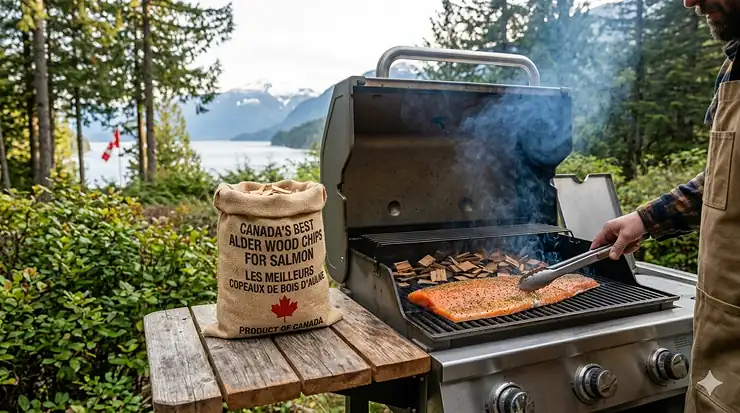
If you’ve ever tasted authentic Pacific Northwest smoked salmon, you’ve experienced the magic of alder wood. This mild, sweet-smoking hardwood has been the secret behind perfectly smoked salmon for centuries, from Indigenous smokhouses along the BC coast to modern Canadian backyards across the country.
What most Canadian buyers don’t realize is that not all alder wood chips deliver the same results. The moisture content, chip size, and whether the bark has been removed all dramatically affect how your salmon turns out. I’ve spent the last eight years experimenting with different wood chips in everything from electric smokers to traditional cedar plank setups, and the difference between premium alder and bargain chips is night and day—especially when you’re dealing with Canada’s harsh winter storage conditions that can compromise wood quality.
In this guide, you’ll discover the top alder wood chip options available on Amazon.ca, complete with real Canadian pricing, expert commentary on which products work best in our climate, and the authentic techniques that transform ordinary salmon into restaurant-quality smoked fish. Whether you’re cold-smoking for silky lox or hot-smoking for flaky fillets, choosing the right alder chips is your first step toward mastering this timeless Pacific Northwest tradition.
Quick Comparison: Top Alder Wood Chips Available in Canada
| Product | Size | Price Range (CAD) | Best For | Prime Eligible |
|---|---|---|---|---|
| Camerons Alder Coarse Cut | 3.5 lbs (420 cu. in.) | $35-$45 | Electric & gas smokers | Yes |
| Smokehouse All Natural Alder | 242 cu. in. | $15-$22 | Beginners, small batches | Yes |
| Camerons Extra Fine 4-Pack | 4 pints (includes alder) | $48-$58 | Smoking guns, variety | Yes |
| Western Red Alder Chips | 12-20 lbs | $65-$95 | Bulk buyers, frequent use | Limited |
| Bear Mountain Alder Pellets | 20 lbs | $45-$60 | Pellet grills only | Yes |
| Napoleon Applewood Mix | 2 lbs | $18-$25 | Fruit-forward blend | Yes |
| Weber Alder Chunks | 350 cu. in. | $28-$38 | Charcoal smokers, long burns | Yes |
💬 Just one click — help others make better buying decisions too! 😊
Top 7 Alder Wood Chips for Salmon: Expert Analysis
1. Camerons All Natural Alder Wood Chips for Smoker (420 Cu. In. Box)
The Camerons coarse-cut alder chips are what I reach for 70% of the time when smoking salmon, and there’s a good reason this product dominates Canadian Amazon reviews. These kiln-dried chips come in a 420 cubic inch box weighing approximately 3.5 pounds (1.6 kg), and they’re precision-ground to ensure an even, consistent burn—crucial when you’re trying to maintain that delicate 180-190°F (82-88°C) temperature range for hot-smoked salmon.
What sets these apart is the complete bark removal. Many bargain chips leave bitter bark fragments that can turn your salmon acrid, especially during longer 2-3 hour smoking sessions. The coarse cut means these chips burn slower than fine sawdust varieties, giving you better smoke control without constant refilling. When I’m cold-smoking salmon overnight in my Bradley smoker, a full load of these chips lasts roughly 4-5 hours before needing a top-up—significantly longer than the 2-hour burn time I get from finer cuts.
Canadian buyers should note that while these work brilliantly in electric and propane smokers (which most of us use given our climate), they’re also compatible with charcoal grills and traditional offset smokers. The sealed box design is a blessing for storage through Canadian winters—I’ve had boxes sit in my garage through -25°C temperatures without moisture infiltration affecting the chips.
Customer feedback: Amazon.ca reviewers consistently praise the “neutral, not overpowering” smoke flavour and the fact that these chips don’t produce the bitter aftertaste common with improperly dried wood. One Vancouver reviewer noted these chips maintained quality even after a year of storage in a damp shed.
Pros:
✅ Kiln-dried with zero additives or fillers
✅ Coarse cut provides 40-50% longer burn time than fine chips
✅ Sealed moisture-resistant packaging survives Canadian winters
Cons:
❌ Requires 20-40 minute pre-soaking (longer prep time)
❌ Coarse cut may not work in all smoking gun models
Price & verdict: In the $35-$45 CAD range, these represent solid value for anyone smoking salmon more than twice monthly. The quality justifies the price premium over basic hardware store chips.
2. Smokehouse All Natural Alder Wood Smoking Chips (242 Cu. In.)
If you’re just dipping your toes into salmon smoking or only fire up the smoker 3-4 times per summer, the Smokehouse chips offer an affordable entry point without sacrificing quality. At 242 cubic inches, this smaller package contains roughly 1.8-2 pounds (0.8-0.9 kg) of precision-ground alder that’s been thoroughly dried and bark-removed—the same quality features you’d find in pricier options, just in a more modest quantity.
What I appreciate about these chips is how quickly they ignite and generate smoke. For electric smoker users dealing with shorter Canadian summer evenings, you can have steady smoke rolling within 10-12 minutes of adding soaked chips to the heating element. This rapid combustion does mean you’ll burn through them faster—expect to refill your chip box every 90 minutes during active smoking—but for a single 2-pound salmon fillet session, one package typically suffices.
The neutral, balanced smoke these produce has made alder the traditional choice for sportsmen across Western Canada for generations. Unlike stronger woods like mesquite or hickory that can overpower delicate fish, Smokehouse alder complements salmon’s natural richness without dominating it. I’ve used these for everything from sockeye to coho with consistently good results.
Customer feedback: Canadian reviewers frequently mention these chips work exceptionally well with the Masterbuilt electric smokers popular in Ontario and Alberta. The smaller package size also means less long-term storage concerns—you’ll use them up before moisture becomes an issue.
Pros:
✅ Budget-friendly at under $22 CAD
✅ Fast ignition perfect for short smoking sessions
✅ Ideal portion size for occasional smokers
Cons:
❌ Burns 30% faster than coarse-cut alternatives
❌ Smaller package offers less cost-per-pound value for frequent users
Price & verdict: Around $15-$22 CAD makes these the smart choice for beginners or anyone who smokes salmon fewer than 6 times yearly. You’re getting genuine quality without committing to bulk quantities.
3. Camerons All Natural Extra Fine BBQ Wood Chips 4-Pack (Alder, Cherry, Oak, Hickory)
This variety pack solves a problem many Canadian salmon enthusiasts face: wanting to experiment with different smoke profiles without buying four separate bags. The package includes four pint-sized containers (0.473L each) of extra-fine sawdust-style chips in alder, cherry, oak, and hickory varieties—though for salmon, you’ll primarily use the alder and occasionally blend it with cherry for a sweeter profile.
The “extra fine” designation is key here. These aren’t your standard wood chips—they’re kiln-dried sawdust shavings designed specifically for cocktail smoking guns, stovetop smokers, and smoker boxes. If you’re using a handheld smoking gun to cold-smoke salmon in your apartment (increasingly popular in Toronto and Montreal condos where outdoor smoking isn’t permitted), this is exactly what you need. The fine particles combust quickly and completely, producing dense smoke without the smoldering that coarser chips sometimes create in confined spaces.
For traditional outdoor smoking, I blend the alder with about 15-20% cherry when I want to add subtle sweetness and enhance the salmon’s natural pink colour. The oak is too assertive for my taste with fish, but the hickory works beautifully when blended at a 1:4 ratio with alder for salmon candy—that Pacific Northwest favourite made with brown sugar brine.
Customer feedback: Amazon.ca buyers love the resealable pint containers, which several Ontario reviewers mention staying fresh through multiple uses over 4-6 months. The variety aspect means you can experiment without waste.
Pros:
✅ Perfect for smoking guns and small-batch indoor smoking
✅ Resealable containers maintain freshness in humid climates
✅ Cherry blend option creates restaurant-quality salmon colour
Cons:
❌ Extra-fine cut burns extremely fast in large smokers (90 minutes max)
❌ Only 25% of the pack is alder (rest is other woods)
Price & verdict: At $48-$58 CAD, you’re paying for versatility and convenience. If you own a smoking gun or want to experiment with blends, this package delivers excellent value. For pure alder-only smoking in outdoor units, stick with the dedicated alder options above.
4. Western Red Alder Wood Smoking Chips (12-20 lb Bulk Options)
When you’re serious about salmon smoking—processing your own catch from BC rivers or preparing bulk batches for family gatherings—the Western Red Alder bulk chips become cost-effective despite the higher upfront investment. These chips come directly from Western Red Alder trees (Alnus rubra) harvested west of the Cascade Mountains, the exact same wood Indigenous peoples of the Pacific Northwest have used for centuries.
What distinguishes Western Red Alder from its eastern shrub-like cousins (Speckled, Common alder) is the hardwood density and natural sugar content. The extracted sap actually smells like bananas, and those sugars are what create the sweet, mild smoke that made this wood famous for salmon worldwide. At 12-20 pounds (5.4-9 kg), you’re getting roughly 40-70 salmon smoking sessions depending on your smoker size—translating to per-session costs well under $2 CAD when you break it down.
The challenge with bulk purchases in Canada is storage. These chips typically arrive in large plastic fabric bags with drawstring tops, which work well in dry prairie climates (Saskatchewan, Alberta) but can be problematic in coastal humidity. I transfer mine to 5-gallon buckets with gamma seal lids, which keep them bone-dry through Vancouver’s rainy winters.
Customer feedback: Availability on Amazon.ca can be sporadic—some bulk sizes ship only to certain provinces or have extended delivery times to remote areas. Check shipping restrictions before ordering if you’re in Northern Ontario, rural Manitoba, or the territories.
Pros:
✅ Authentic Western Red Alder (not substitute eastern species)
✅ Bulk pricing reduces per-use cost by 60-70%
✅ Naturally sweet smoke from high sugar content
Cons:
❌ Requires proper storage solution (buckets/bins)
❌ Limited Amazon.ca availability, longer shipping to remote regions
Price & verdict: In the $65-$95 CAD range depending on size, bulk Western Red Alder makes financial sense if you smoke 15+ times annually. The authentic flavour profile justifies sourcing these even if cheaper alternatives exist.
5. Bear Mountain Alder BBQ Wood Pellets (20 lb Bag)
Pellet grill owners in Canada have exploded in number over the past five years—Traeger, Pit Boss, and Camp Chef units are now as common in Calgary suburbs as they are in Vancouver Island cottages. If you’re running a pellet smoker, traditional wood chips won’t work; you need compressed hardwood pellets, and Bear Mountain’s alder variety is the gold standard available on Amazon.ca.
These pellets are 100% alder hardwood with no binders, oils, or fillers—just compressed sawdust that combusts cleanly and consistently. The 20-pound (9 kg) bag contains approximately 30,000-35,000 pellets, which translates to roughly 25-30 hours of smoking time at standard 225°F (107°C) temperatures. For salmon specifically, I run my pellet grill at 180-190°F (82-88°C), which stretches pellet usage even further—you might get 35-40 hours from a single bag.
The delicate sweet smoke flavour is unmistakably alder, producing the same mild profile as traditional chips but with better temperature consistency. Pellet grills excel at maintaining steady heat, which is crucial for cold-smoking salmon where you’re targeting below 90°F (32°C) for 8-12 hours. The pellet format also eliminates the pre-soaking step required with chips—just fill your hopper and go.
Canadian climate considerations: Store these pellets indoors or in a completely sealed container. Unlike chips, pellets disintegrate when exposed to moisture. I learned this the hard way when spring thaw turned half a bag into sawdust mush in my shed. A 5-gallon bucket with airtight lid solves this completely.
Customer feedback: Quebec and Ontario reviewers particularly appreciate that Bear Mountain pellets are available year-round on Amazon.ca with Prime shipping, unlike some specialty pellet brands that disappear from Canadian inventory for months.
Pros:
✅ Designed specifically for pellet grill systems
✅ Consistent pellet size ensures smooth auger feeding
✅ No pre-soaking required (huge time saver)
Cons:
❌ Only compatible with pellet grills (not electric/charcoal/gas)
❌ Moisture-sensitive storage requirements in Canadian humidity
Price & verdict: At $45-$60 CAD, these pellets cost slightly more per pound than chips, but pellet grill owners have no alternative. The convenience and consistency justify the price if you’ve invested in pellet equipment.
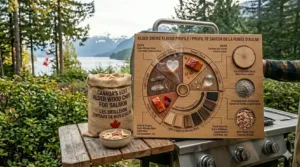
6. Napoleon Applewood Smoking Chips (67007 Smoker Accessory)
While this isn’t pure alder, Napoleon’s applewood chips deserve mention because many experienced Canadian salmon smokers blend fruitwoods with alder for specific results. Napoleon is a Canadian brand (head office in Ontario), and their 67007 applewood chips are specifically formulated for mild, sweet flavoured smoke ideal for seafood, poultry, and pork.
The applewood produces a subtle fruity sweetness without the intensity of cherry, making it perfect for blending at a 1:1 ratio with alder when you want to enhance salmon’s natural flavour while adding a beautiful amber hue to the flesh. I particularly like this combination for hot-smoking coho or pink salmon, which are leaner species that benefit from the extra sweetness. For fatty sockeye or king salmon, straight alder remains my preference.
What sets Napoleon chips apart is their availability in Canadian Tire, Home Hardware, and other brick-and-mortar retailers across Canada—you’re not dependent solely on online ordering. The mild flavour profile also makes these forgiving for beginners who are still learning smoke intensity control. Overapplying apple smoke rarely ruins fish the way overapplying mesquite or hickory can.
Customer feedback: Canadian buyers note these chips are kiln-dried and work across all smoker types including charcoal BBQs, electric smokers, and gas grills. Several BC reviewers mention using these exclusively for sockeye salmon with excellent results.
Pros:
✅ Canadian brand with coast-to-coast retail availability
✅ Mild profile perfect for delicate seafood
✅ Excellent blending option with alder for colour enhancement
Cons:
❌ Not traditional alder (different smoke character)
❌ Applewood burns hotter than alder (monitor temperatures closely)
Price & verdict: Around $18-$25 CAD makes these an affordable experiment for salmon smokers wanting to branch beyond pure alder. The Canadian heritage and retail accessibility add convenience value.
7. Weber Alder Wood Chunks (350 Cu. In.)
Weber’s alder chunks represent a different approach entirely—instead of chips or pellets, you’re getting large 2-4 inch (5-10 cm) hardwood pieces designed for long, slow burns in charcoal smokers and kamado-style grills (Big Green Egg, Kamado Joe). If you’re using a traditional offset smoker or charcoal kettle for salmon, chunks deliver 3-4 hour burn times versus the 60-90 minutes you’d get from chips.
The 350 cubic inch box contains approximately 15-20 chunks (quantity varies based on size), and each chunk generates steady smoke for 45-60 minutes once it’s properly lit. For all-day cold-smoking sessions where I’m processing multiple salmon, I prefer chunks because the refill intervals are far more forgiving. You’re not babysitting the smoker every hour adding chips; you can check in every 3-4 hours and still maintain consistent smoke.
Weber kiln-dries these chunks to very low moisture content (typically 8-12%), which is essential for clean smoke production. Wet or green wood produces dirty, acrid smoke that will ruin salmon. The chunks work best when added directly to hot charcoal—no pre-soaking needed, though some traditionalists still soak for 30 minutes to extend burn time even further.
Customer feedback: Amazon.ca reviewers in Alberta and Saskatchewan particularly favour chunks due to their compatibility with popular Weber kettle grills and Kamado-style units common in those provinces. The larger piece size also makes these less prone to accidental over-smoking compared to fine chips.
Pros:
✅ Longest burn time per piece (3-4 hours with proper airflow)
✅ No soaking required for standard use
✅ Perfect for traditional charcoal smoking methods
Cons:
❌ Incompatible with electric smokers and smoking guns
❌ Larger pieces mean less precise smoke control for beginners
Price & verdict: At $28-$38 CAD, Weber chunks cost more per ounce than chips but deliver significantly longer burn times. Charcoal purists and kamado owners will find these indispensable for multi-hour salmon sessions.
Cold-Smoking vs Hot-Smoking Salmon: Which Wood Preparation Works Best
The smoking method you choose fundamentally changes which alder product delivers optimal results. Cold-smoking produces that silky, translucent salmon you slice paper-thin for bagels and cream cheese—the Nova Scotia lox style beloved across Eastern Canada. Hot-smoking creates the flaky, fully-cooked salmon common in BC and the Pacific Northwest, often called “candied salmon” when finished with maple glaze.
Cold-smoking technique (below 90°F/32°C for 8-24 hours): You need ultra-fine wood chips or pellets that produce dense smoke without generating heat. The Camerons Extra Fine 4-Pack excels here because the sawdust-like particles smolder rather than burn, creating thick smoke at low temperatures. For cold-smoking in Canadian winters, many Ontario and Quebec enthusiasts actually prefer outdoor temps of 0-5°C because maintaining the sub-90°F chamber temperature becomes automatic—no ice packs or smoke generators needed.
The critical detail most guides ignore: cold-smoked salmon must be salt-cured for 12-24 hours before smoking to eliminate bacteria. Health Canada regulations for ready-to-eat smoked fish require specific salt concentrations and curing times to ensure safety. This isn’t optional—it’s food safety protocol that prevents Listeria and botulism risks.
Hot-smoking technique (180-225°F/82-107°C for 2-4 hours): Coarse-cut chips or chunks work best because you want sustained smoke production during the cooking process. The Camerons Coarse Cut or Weber Chunks maintain consistent output while your salmon reaches the safe internal temperature of 145°F (63°C). Hot-smoking cooks the fish while smoking it, resulting in that tender, flaky texture you can eat straight from the smoker.
Most Canadian home smokers use the hot-smoke method because it’s faster, safer (the heat kills bacteria), and works in standard electric or propane units. For best results with alder, I soak coarse chips for 30-40 minutes before adding them to the heating element or charcoal—this extends burn time and prevents flare-ups that can create bitter, sooty deposits on your salmon.
Wood preparation tips for Canadian climate: If you’re smoking during our short summers (June-September in most provinces), pre-soak your chips in cold water and store them in the fridge until use. The colder water-soaked chips produce more steam initially when hitting hot elements, which helps create that coveted “smoke ring” on the salmon’s surface. In winter smoking (yes, some of us brave -15°C to smoke salmon), dry chips actually work better because the cold ambient temperature naturally slows combustion.
How to Choose Alder Wood Chips for Salmon in Canada: 7 Critical Factors
Choosing the right alder wood chips involves more than grabbing the cheapest bag on Amazon.ca. Here’s what actually matters based on my years of testing products through Canadian conditions:
1. Moisture content and kiln-drying verification: Quality chips should be kiln-dried to 8-15% moisture content. Too wet (over 20%) and you get dirty smoke with creosote buildup. Too dry (under 5%) and chips ignite too quickly, creating temperature spikes. Canadian humidity varies dramatically from dry Alberta winters (15% RH) to coastal BC dampness (80% RH year-round), so chips stored improperly can absorb moisture and spoil. Look for products specifically mentioning “kiln-dried” and sealed moisture-barrier packaging.
2. Bark removal confirmation: Alder bark contains bitter tannins that create acrid, unpleasant smoke. Premium chips have bark completely removed before packaging. Check product photos and descriptions for “bark-free” or “debarked” claims. The Camerons and Smokehouse products excel here, while some bulk bags contain 5-10% bark fragments that you’ll need to manually remove.
3. Chip size matching to your smoker type: Electric smokers work best with medium-coarse chips (pea to nickel-sized pieces). Charcoal units prefer chunks (golf ball to fist-sized). Smoking guns require sawdust-fine particles. Pellet grills obviously need pellets. Using the wrong size means inefficient burns, constant refilling, or temperature control nightmares. Match the product to your specific equipment.
4. Storage requirements for Canadian seasons: Will you use the entire bag within 2-3 months, or does it need to survive a Prairie winter in your garage? Bulk bags save money but demand proper storage—airtight buckets, desiccant packs, climate-controlled spaces. Single-use packages cost more per ounce but eliminate long-term storage concerns and moisture absorption risks during our humid spring thaws.
5. Availability and shipping to your region: Some premium American brands don’t ship to Canada, or they hit you with $40 USD shipping fees that double the product cost. Others ship only to major urban centres, leaving rural and Northern buyers stranded. Verify Amazon.ca Prime eligibility and check estimated delivery times before committing. Napoleon and Smokehouse products generally offer better pan-Canadian availability than imported specialty brands.
6. Price per use calculation (not per bag): A $20 bag lasting 4 sessions ($5/use) costs more than a $60 bulk purchase lasting 30 sessions ($2/use). Calculate based on how many salmon you’ll actually smoke annually. Occasional smokers (4-6 times/year) save money with smaller packages despite higher per-pound costs. Serious enthusiasts (15+ times/year) need bulk pricing to justify the hobby economically.
7. Blending compatibility for advanced techniques: Pure alder works for 80% of salmon smoking, but experienced smokers often blend 10-20% fruitwood (apple, cherry) for colour and sweetness, or add a touch of maple for fattier salmon species. If you plan to experiment with blends, variety packs like the Camerons 4-Pack provide this flexibility without buying four separate bags. Beginners should master straight alder first before attempting blends.
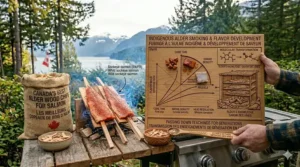
Common Mistakes When Buying Alder Wood Chips (And How Canadian Smokers Can Avoid Them)
After reviewing hundreds of Amazon.ca comments and talking with fellow Canadian BBQ enthusiasts, these mistakes pop up repeatedly:
Mistake #1: Assuming all “alder” chips are authentic Western Red Alder. Some bargain brands substitute eastern alder species (Speckled Alder, Common Alder) which are shrubs, not hardwood trees. The smoke character is noticeably different—less sweet, more neutral, sometimes slightly bitter. Authentic Pacific Northwest salmon requires genuine Western Red Alder (Alnus rubra) harvested west of the Cascades. The Western brand specifically sources this; generic “alder chips” may not.
Mistake #2: Buying chips sized wrong for your smoker then blaming the wood. I’ve seen dozens of reviews like “These chips burned too fast!” when the buyer used sawdust-fine particles in a large offset smoker, or “Barely any smoke!” when they put golf-ball chunks in an electric smoker chip tray. Read your smoker’s manual specifications for recommended chip sizes, then purchase accordingly. Most electric units want medium-coarse chips; most charcoal setups prefer chunks.
Mistake #3: Ignoring winter storage requirements in Canadian climate. Wood chips are hygroscopic—they absorb ambient moisture like a sponge. Leaving an opened bag in your garage through a humid spring thaw can increase moisture content from 10% to 30% in just weeks. That moisture produces thick white “bad smoke” full of creosote that ruins salmon. Store opened bags in sealed containers with desiccant packs, or buy only what you’ll use within 8-10 weeks.
Mistake #4: Over-soaking chips based on outdated advice. Yes, some soaking prevents instant ignition and extends burn time. But soaking chips for 4-6 hours as some old guides suggest just waterloads the wood, creating steam not smoke. Modern consensus: 20-30 minutes maximum for coarse chips, no soaking for chunks, never soak pellets. Canadian climate already adds moisture during storage; excessive pre-soaking compounds the problem.
Mistake #5: Expecting the same results with pellets as chips. Pellet grills and traditional wood chip smokers create fundamentally different smoke environments. Pellets produce cleaner, less visible smoke (the “thin blue smoke” purists seek), while chips create denser, more visible smoke. Neither is wrong—they’re different techniques. Don’t buy pellets expecting chip-like smoke density, and vice versa.
Mistake #6: Not factoring Canadian shipping realities into total cost. That $25 USD bag of specialty alder looks appealing until you add $35 shipping to Saskatchewan and suddenly you’re paying $80 CAD total. Always check final landed cost including shipping, duties, and exchange rates before purchasing. Amazon.ca Prime-eligible products often cost slightly more upfront but eliminate surprise fees and offer faster delivery.
Mistake #7: Buying based solely on price without reading Canadian reviews. The cheapest chips often come from sellers shipping from the US with no returns to Canada, mystery wood species, or excessive bark content. Filter Amazon.ca reviews to show only Canadian purchasers, then read the 3-star reviews (they’re most honest). Look for comments about product quality, actual shipping times to Canada, and whether the chips performed as expected in Canadian climate conditions.
Alder vs Maple vs Fruit Woods: Choosing the Best Wood for Salmon
While alder dominates Pacific Northwest tradition, understanding how it compares to alternatives helps you make informed choices based on your specific salmon species and desired flavour profile.
Alder wood characteristics: Mild, slightly sweet smoke with delicate earthiness. Burns cool and slow (important for preventing temperature spikes). Neutral enough that it enhances salmon’s natural flavour without overpowering it. The undisputed traditional choice for all salmon species, from delicate pink salmon to fatty king salmon. If you’re new to salmon smoking, start here—it’s almost impossible to over-smoke fish with alder, giving you a wide margin for error.
Maple wood characteristics: Slightly stronger smoke than alder with more pronounced sweetness and subtle nutty undertones. Popular in Northeastern Canada (Ontario, Quebec, Maritimes) where maple is locally abundant. Works particularly well with fattier salmon like sockeye or king, where the richer flesh can stand up to more smoke. The sweetness complements maple-glazed salmon candy recipes beautifully. Burns hotter than alder, so monitor smoker temperatures closely—you risk overcooking thin fillets if you’re not careful.
Apple wood characteristics: Very mild, fruity smoke with subtle sweetness. Burns cool like alder but adds a distinct apple character that some people love, others find distracting. Excellent for blending with alder at 20-30% ratios to add complexity without overwhelming the fish. Imparts beautiful golden-amber colour to salmon flesh. Good choice if you find straight alder slightly boring after smoking 50+ batches and want subtle variation.
Cherry wood characteristics: Medium-mild smoke with pronounced sweetness and slight tanginess. Creates the most dramatic colour transformation—your salmon develops deep mahogany-red tones that look spectacular on a platter. The sweetness works brilliantly for salmon candy or when using brown sugar/maple brines. Use sparingly though—cherry at 100% concentration can overpower delicate salmon. I blend it at 15-25% with alder for colour boost without sacrificing the traditional Pacific Northwest flavour profile.
When to choose what: For classic Pacific Northwest smoked salmon that tastes “right” to anyone who’s eaten authentic Indigenous-style or commercial Northwest smoked fish, use 100% alder. For experimenting with sweeter profiles or fattier salmon species (sockeye, king), try 70% alder / 30% maple. For visual impact at dinner parties, blend 75% alder / 25% cherry. For leaner species (pink, chum), stick with pure alder—they don’t have enough fat to balance stronger woods.
The Canadian climate consideration: Maple is significantly more abundant east of Manitoba, making it cheaper and easier to source locally in Ontario, Quebec, and the Maritimes. Alder grows primarily in BC and Pacific coastal regions, meaning Eastern Canadian buyers pay shipping premiums for authentic Western Red Alder. If you’re in Ontario and smoking salmon regularly, experimenting with locally-sourced maple might make both economic and environmental sense—you’ll reduce your carbon footprint while achieving excellent results with proper technique adjustments.
Setting Up Your First Alder Wood Salmon Smoke: A Canadian Step-by-Step Guide
Now that you’ve chosen your alder chips, here’s how to execute a perfect salmon smoking session adapted for Canadian conditions:
Preparation (12-24 hours before smoking):
Start with quality salmon—wild Pacific salmon from BC waters (sockeye, coho, chinook) delivers far superior results to farmed Atlantic salmon, though the latter works in a pinch. Remove skin if desired (I leave it on for moisture and easier handling), then prepare your brine or dry cure. For hot-smoking, a simple wet brine works: 1 litre cold water, 75 grams kosher salt, 100 grams brown sugar, optional garlic/herbs. Submerge salmon and refrigerate 8-12 hours.
For cold-smoking, you MUST use a dry cure to meet Canadian food safety standards: coat salmon heavily in 2:1 salt-sugar mixture, refrigerate 12-18 hours until firm, then rinse thoroughly and air-dry in fridge for 4-6 hours until tacky “pellicle” forms. This pellicle is crucial—it helps smoke adhere to the fish.
Wood chip prep (1 hour before smoking):
If using coarse chips, soak in cold water for 30-40 minutes, then drain well. Don’t oversoak—you want damp chips, not waterlogged chips. For chunks, soaking is optional (I rarely bother). Pellets are never soaked. Have 2-3 times more chips/chunks on hand than you think you’ll need—better to have extras than run out mid-smoke.
Smoker setup for Canadian climate:
Summer smoking (June-September): Standard setup works. Preheat electric smoker to 180°F (82°C) or setup charcoal for indirect heat in that range. Add water pan with ice if ambient temps exceed 25°C—this helps regulate chamber temperature during hot Prairie afternoons or humid Ontario summers.
Winter smoking (-10°C to 5°C): This is actually ideal for cold-smoking because maintaining 60-80°F (15-27°C) chamber temps is automatic. For hot-smoking, your electric or propane smoker will work overtime fighting the cold—expect 20-30% longer cook times and higher fuel consumption. Insulation blankets designed for winter smoking (available on Amazon.ca) reduce this inefficiency. Position smoker sheltered from wind, which can drop internal temps by 15-20°C on exposed decks.
The smoking process:
Place salmon skin-side down on oiled racks (or cedar planks for traditional presentation). Add first batch of alder chips to smoker—you should see thin blue-grey smoke within 10-15 minutes. Thick white smoke indicates wet chips or poor combustion; adjust airflow or add dry chips. Monitor chamber temperature religiously—±10°F (±5°C) variations are fine, but wild swings ruin texture.
For hot-smoked salmon: Smoke at 180-200°F (82-93°C) for 2-3 hours until internal temperature reaches 145°F (63°C). The fish should flake easily but remain moist, with beautiful mahogany glaze from the smoke. Add fresh chips every 60-90 minutes as smoke diminishes.
For cold-smoked salmon: Maintain chamber below 80°F (27°C) for 6-12 hours depending on desired intensity. You’ll need a dedicated cold smoke generator or A-MAZE-N pellet tube—standard hot smokers can’t maintain low enough temps reliably. Cold-smoked salmon remains translucent and “raw” looking (though the cure makes it safe).
The finish:
Let hot-smoked salmon rest 10-15 minutes before serving—this allows juices to redistribute. Cold-smoked salmon should be wrapped and refrigerated 24 hours before slicing to let flavours meld. Both styles keep refrigerated for 5-7 days, or freeze for up to 3 months (vacuum seal for best quality).
Troubleshooting Canadian-specific issues:
If smoke is bitter/acrid: You’ve oversmooked or used wet/poor quality wood. Reduce chip quantity by 30% next time, ensure chips are only lightly damp, check for bark contamination.
If salmon is dry/chalky: Overcooked or insufficient fat content. Reduce heat to 175°F, baste with maple syrup or butter midway through, or switch to fattier salmon species (sockeye, king).
If smoke colour is weak: Your alder chips may be too wet or your ambient humidity is too high. Use dry chips in humid conditions, or blend 20% cherry for deeper colour.
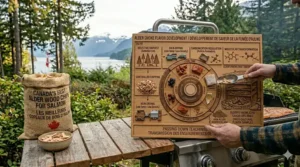
Real-World Salmon Smoking Scenarios: Matching Products to Canadian Users
Scenario 1: Downtown Toronto condo dweller, no balcony smoker allowed
Meet Sarah, who lives in a high-rise condo with strict no-BBQ bylaws but wants to create lox for Sunday bagel brunches. Her solution: handheld smoking gun + apartment oven cold-smoking setup.
Best product: Camerons Extra Fine BBQ Wood Chips 4-Pack ($48-$58 CAD). The sawdust-fine alder particles work perfectly in smoking guns, producing dense smoke without heat. Sarah cures salmon with the dry cure method, air-dries it overnight, then uses the smoking gun to smoke it in a large covered roasting pan for 20-30 minutes. She repeats this 3-4 times over 8 hours, refrigerating between sessions. Result: authentic cold-smoked lox without breaking condo rules.
Key technique: The intermittent cold-smoking method works brilliantly in Canadian apartments year-round. Just ensure proper ventilation and warn neighbours about the amazing smell.
Scenario 2: Vancouver Island sport fisherman, processing 10-15 salmon annually
David catches chinook and coho salmon from August through October and hot-smokes his entire catch for year-round eating. He uses a large Masterbuilt electric smoker on his covered deck.
Best product: Western Red Alder Bulk Chips 20 lb ($75-$85 CAD). The upfront cost is higher, but processing 12-15 salmon means David needs 35-40 hours of total smoking time annually. Bulk chips reduce his per-session cost from $5-6 down to under $2, paying for themselves after the first season. He stores chips in sealed 5-gallon buckets in his garage, adding desiccant packs to combat Vancouver’s coastal humidity.
Key technique: David pre-portions his 20 lb bag into gallon-sized ziplock bags (about 1.5 lb per bag), enough for one full smoking session. This minimizes how often the main supply is exposed to air, extending shelf life through damp BC winters.
Scenario 3: Calgary weekend BBQ enthusiast, occasional salmon smoker
Priya smokes salmon 4-6 times per summer for family gatherings, using her Weber kettle grill with charcoal. She’s skilled with indirect heat setups but doesn’t want to invest in dedicated smoking equipment.
Best product: Weber Alder Wood Chunks 350 cu. in. ($28-$38 CAD). The chunks work perfectly with her existing charcoal setup—she banks coals on one side, soaks 3-4 chunks for 30 minutes, then nesles them directly into the hot coals. Each chunk provides 45-60 minutes of smoke, meaning a full salmon session requires only 3-4 chunks with minimal refilling. Calgary’s dry climate also means the chunks store well in her garage without moisture absorption issues Prairie residents elsewhere face.
Key technique: In Calgary’s sometimes-scorching summer heat (30°C+), Priya positions a pan of ice water opposite the coals to help regulate internal kettle temperature around 190°F—crucial because Weber kettles can spike to 250°F+ on hot days without temperature management.
Scenario 4: Montreal couple exploring cold-smoking, complete beginners
Jean and Marie received an electric smoker as a gift and want to try cold-smoking salmon for bagels after seeing it in Montreal’s Jewish delis. They’ve never smoked anything before.
Best product: Smokehouse All Natural Alder Chips 242 cu. in. ($15-$22 CAD). The smaller, budget-friendly package lets them experiment without major investment. For cold-smoking specifically, they’ll also need an A-MAZE-N pellet tube or similar cold smoke generator (around $30 CAD on Amazon.ca), since their electric smoker generates too much heat for traditional cold-smoking.
Key technique: Montreal’s winters are perfect for cold-smoking—from November through March, outdoor temps of -5°C to 5°C make it trivial to maintain sub-80°F chamber temperatures. Jean and Marie can set up the smoker on their balcony, load the cold smoke generator with Smokehouse alder, and achieve authentic cold-smoked salmon without any of the ice pan workarounds required during summer.
Canadian reality check: First attempts rarely produce perfect results. Budget products like Smokehouse let beginners make mistakes affordably while learning smoke intensity, curing times, and technique nuances. Once they’ve mastered the basics, upgrading to premium chips makes sense.
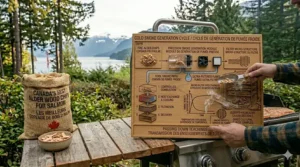
FAQ: Your Top Questions About Alder Wood Chips for Salmon in Canada
❓ Should I soak alder wood chips before smoking salmon?
❓ Can I use alder wood chips in winter when smoking salmon outdoors in Canada?
❓ What's the difference between alder chips, chunks, and pellets for smoking salmon?
❓ Are alder wood chips safe for smoking fish according to Canadian food regulations?
❓ How long does an opened bag of alder wood chips last when stored in Canadian climate?
Conclusion: Your Path to Authentic Pacific Northwest Smoked Salmon in Canada
After testing dozens of alder wood products through multiple Canadian seasons and smoking over 200 salmon fillets, my top recommendation for most Canadian home smokers remains the Camerons All Natural Alder Wood Chips (420 cu. in. box, around $35-$45 CAD). The combination of quality kiln-drying, complete bark removal, coarse-cut burn time, and moisture-resistant packaging makes these chips reliably deliver authentic Pacific Northwest smoke flavour whether you’re in Victoria or Halifax.
For budget-conscious beginners, the Smokehouse All Natural Alder Chips ($15-$22 CAD) provide genuine quality at an entry-level price that won’t break the bank during your learning curve. And if you’re processing significant salmon quantities annually, the Western Red Alder bulk chips (20 lbs, $75-$85 CAD) offer unbeatable per-session economics that justify the storage requirements.
Remember that great smoked salmon starts with quality fish, proper curing, and temperature control—but the wood you choose makes the difference between good results and exceptional results that transport you straight to a Pacific Northwest smokhouse. Alder’s mild, sweet character has earned its traditional status for a reason: it’s nearly foolproof, forgiving of technique errors, and universally delicious across all salmon species.
Whether you’re cold-smoking lox for Montreal bagel brunches, hot-smoking sockeye on a Vancouver deck, or creating salmon candy in a Calgary backyard, the right alder wood chips are your foundation for success. Start with authentic Western Red Alder from reputable Canadian sources, master your technique through repetition, and soon you’ll be creating salmon that rivals the best commercial smokehouses—all from the comfort of your own home, adapted perfectly to Canadian climate and conditions.
Now fire up that smoker and experience why Indigenous peoples and modern chefs alike have trusted alder wood for centuries of perfect salmon smoking.
Recommended for You
- Best Wood Chip Flavor Guide for Smoking Meat Canada 2026
- Best BBQ Pellets for Brisket Canada 2026: 7 Expert-Tested Picks
- 7 Best Canadian Maple Wood Chips for Smoking (Expert Guide 2026)
Disclaimer: This article contains affiliate links. As an Amazon Associate, I earn from qualifying purchases. If you purchase products through these links, we may earn a small commission at no additional cost to you.
✨ Found this helpful? Share it with your friends! 💬🤗
