In This Article
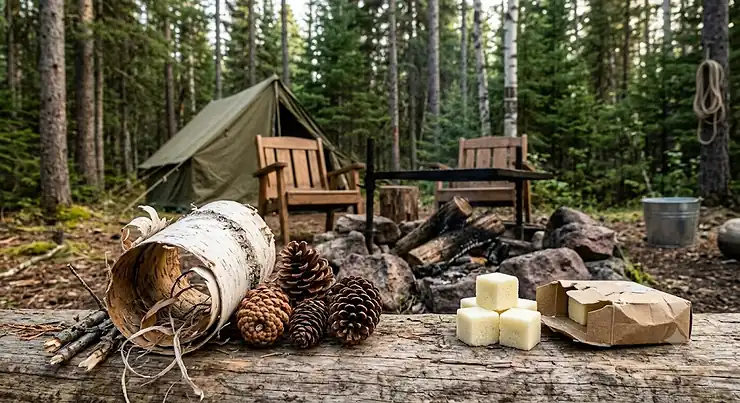
Standing over a cold fire pit with a lighter that just won’t catch is one of those small, universal frustrations of Canadian outdoor life. The debate over natural fire starters vs fire starter cubes shows up every time someone’s trying to decide what to toss in the truck before a camping trip or what to keep in the garage for grilling season. Natural fire starters — fatwood, resin-soaked wood, and similar tinder — rely on nothing but flammable plant material, while compressed cubes are engineered blocks of wax and wood fibre built for consistent, repeatable ignition. Neither one is objectively “better” in every situation; they’re built for slightly different jobs, and the right pick depends on how wet your wood is, how much you’re willing to pay per fire, and whether you’d rather smell a faint pine resin or nothing at all.
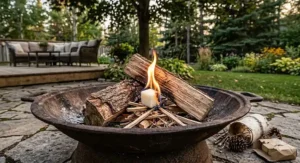
This guide breaks down seven real, currently available products across both categories, compares them on the things that actually matter — burn time, ignition reliability, sourcing, and cost per use — and gives you a framework for choosing between them instead of just listing specs. We looked at aggregated customer feedback, manufacturer documentation, and general fire-making science — what actually qualifies as tinder is worth a quick read if you’re new to this — to keep the analysis grounded in reality rather than marketing copy.
Quick Comparison Table
| Type | Typical Burn Time | Ignition in Wind/Rain | Odour | Best For |
|---|---|---|---|---|
| Natural fire starters (fatwood-style) | 8-15 minutes per stick | Very good — resin repels moisture | Faint pine/resin | Damp campsites, cast-iron cooking, purists |
| Fire starter cubes (compressed) | 5-10 minutes per cube | Good — engineered for consistency | Usually odourless | Charcoal grills, quick backyard fires, beginners |
| Lighter fluid (for context) | N/A — accelerant only | Poor in wind | Strong, lingers in food | Not recommended for flavour-sensitive cooking |
Looking at the numbers above, natural fire starters generally hold a slight edge on raw burn time and damp-weather performance because resin is naturally water-resistant, while fire starter cubes win on consistency since every cube in a box is manufactured to the same size and fuel ratio. If you’re cooking food over the flame, both beat lighter fluid outright on flavour, since neither leaves a petroleum aftertaste on your steak.
💬 Just one click — help others make better buying decisions too!😊
Top 7 Natural Fire Starters and Fire Starter Cubes: Expert Analysis
We picked products across budget, mid-range, and premium tiers, covering both natural tinder and compressed cubes, so you can compare like against like instead of guessing.
1. Dextreme Natural Fire Starter (48 Cubes) — Canadian-made wood-fibre cube
The Dextreme Natural Fire Starter cubes are made in Canada from compressed wood fibre and wax, which puts them in an interesting middle ground between “natural” and “engineered” — the fuel source is wood, but it’s processed into a cube shape for consistency. Each cube is rated for BBQs, campfires, charcoal, wood stoves, and fireplaces, and the wax binder means the cubes stay lightable even after sitting in a damp garage all winter. Based on the spec comparison with other cubes in this price bracket, the Canadian manufacturing is a genuine differentiator for buyers who prioritize supporting domestic production or want to avoid the customs delays that sometimes hit cross-border imports. This is the pick for anyone who wants cube-style convenience without buying from a faceless overseas listing — beginners, apartment-dwellers with a small balcony grill, and cottage owners who restock every spring will all get solid value here. Reviewers consistently report that a single cube is enough to get a chimney starter of charcoal fully lit within 10-12 minutes, and the “non-toxic” claim holds up well against complaints about competing cubes that leave a chemical smell. A common gripe in user feedback is that individual cubes can feel slightly smaller than expected once you’re used to bulkier competitors, so heavier winds may call for two cubes instead of one.
Pros:
- ✅ Made in Canada — shorter supply chain and easier warranty support
- ✅ Waterproof formulation survives damp storage without degrading
- ✅ Works across BBQ, wood stove, and fireplace use cases
Cons:
- ❌ Individual cubes run smaller than some bulkier competitors
- ❌ 48-count box depletes quickly with frequent weekend use
At around C$12-C$16 for 48 cubes, the Dextreme Natural Fire Starter lands as one of the better cost-per-fire options in this roundup, especially for buyers who value the Made-in-Canada angle enough to pay a small premium over generic imports.
2. Pine Mountain StarterStikk Fatwood, 5 lb — classic resin-rich fatwood
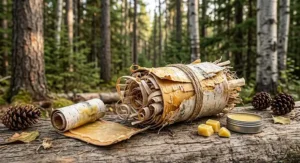
The Pine Mountain StarterStikk is about as close to “old-school natural fire starter” as the mass market gets — split sticks of resin-heavy pine, no wax coating, no additives, just the wood itself. Fatwood’s defining trait is that the resin (essentially hardened tree sap) is naturally water-repellent and burns at a very high temperature, which is exactly what you want when your kindling is slightly damp from morning dew. What most buyers overlook about fatwood is that you only need two or three sticks per fire; overusing it wastes a genuinely finite, slow-to-regenerate resource and can produce more soot than necessary in an enclosed fireplace. This product is aimed squarely at people who want a natural feel and don’t mind a light pine scent — think fireplace owners in older homes without a gas starter line, or campers who like the ritual of building a proper tinder bed. Aggregated reviews describe the sticks as reliably fast-lighting even with a single match, though a subset of buyers note the 5 lb box is a fairly small quantity if you’re heating with wood regularly through a Canadian winter. Based on the spec sheet, the resin content is what you’re paying for, and StarterStikk’s sourcing appears consistent batch to batch, unlike some bargain fatwood brands that mix in drier, low-resin scrap wood to cut costs.
Pros:
- ✅ 100% natural resin-rich pine, no chemical additives
- ✅ Lights reliably even with damp surrounding kindling
- ✅ Only 2-3 sticks needed per fire, so it lasts a while
Cons:
- ❌ 5 lb box is on the small side for regular wood-stove use
- ❌ Leaves faint soot and pine scent in enclosed spaces
Priced in the C$18-C$24 range for a 5 lb box, the Pine Mountain StarterStikk is a fair value pick if you fire up a wood stove or fireplace a few times a week rather than nightly.
3. Zip Firestarters, 64 Count — natural wax-and-wood cube built for consistency
The Zip Firestarters cube blends real wood fibre with wax in a compressed square, marketed as “100% natural” — worth noting that wax itself (typically paraffin or a plant-based blend) is the binding agent here, not just a coating. What that means in practice: each cube burns for a fairly predictable 8-10 minutes, which is enough time to get charcoal fully ashed-over or dry kindling properly caught without needing a second cube as backup. Here’s what to weigh: Zip Firestarters trades the smoky, resinous smell of fatwood for a near-odourless burn, which matters if you’re cooking delicate foods like fish or vegetables where you don’t want any competing aroma. This product suits mid-range buyers who grill often enough to burn through a box in a season and who want predictability over the more variable, hand-harvested feel of natural sticks. Reviewers frequently mention that the cubes stay intact when broken in half for smaller fires, which isn’t true of every cube on the market — some crumble into unusable wax dust. The main complaint in aggregated feedback centres on packaging; a handful of buyers received boxes with a few cracked cubes after shipping, though this doesn’t appear to affect performance once lit.
Pros:
- ✅ Consistent 8-10 minute burn across the whole box
- ✅ Odourless burn — won’t interfere with food flavour
- ✅ Cubes break cleanly in half for smaller fires
Cons:
- ❌ Some shipments arrive with a few cracked cubes
- ❌ Slightly pricier per-cube than basic wood-fibre competitors
In the C$15-C$20 range for 64 cubes, the Zip Firestarters are a strong mid-tier choice for anyone who grills weekly and wants the cube experience without the guesswork of natural tinder.
4. Billy Buckskin Fatwood Fire Starter Sticks, 10 lb — bulk-value natural fatwood
The Billy Buckskin 10 lb box roughly doubles the quantity of the Pine Mountain option above, aimed at people who go through fatwood fast enough that buying small boxes repeatedly stops making sense. The marketing claim of “easy ignition with just 2 sticks” tracks with the general behaviour of fatwood — the resin content, not the quantity, is what determines how easily it catches, and Billy Buckskin’s sourcing appears to prioritize higher-resin cuts over filler wood. On paper, this means a lower effective cost per fire once you account for the fact that you’re not paying repeat shipping or packaging costs on five separate small boxes. This is the pick for cottage owners heating with a wood stove through shoulder seasons, or families who run a backyard fire pit most weekends from May through September — basically, anyone for whom fatwood is a staple rather than an occasional purchase. A common theme in aggregated review sentiment is that the sticks vary slightly in size within the same box, which is a natural consequence of using real harvested wood rather than a machine-extruded product; a few buyers found this mildly inconvenient for uniform stacking but not a functional issue. Reviewers also note the resin scent is noticeably stronger in bulk boxes simply because there’s more product concentrated in one container.
Pros:
- ✅ 10 lb bulk size reduces cost per fire over smaller boxes
- ✅ Higher-resin cuts prioritized over filler wood
- ✅ Reliable ignition even in cool, damp shoulder-season weather
Cons:
- ❌ Stick sizes vary somewhat since it’s real harvested wood
- ❌ Stronger resin odour noticeable when the box is first opened
At around C$30-C$40 for 10 lb, the Billy Buckskin Fatwood Fire Starter Sticks deliver one of the better cost-per-stick ratios in the natural category, provided you have dry storage space for the bulk box.
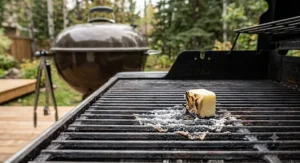
5. Weber 7417 Fire Starters Lighter Cubes, 24-Count — grill-brand cube that lights charcoal wet
Weber built its reputation on charcoal grilling, and the 7417 Lighter Cubes are the company’s answer to the classic “damp match, dead fire” problem — these are formulated to catch even when the cube itself has picked up some moisture from a humid garage or a surprise summer downpour. Key spec context: Weber markets these as odourless and non-toxic, and the compressed wax formula is engineered specifically for charcoal chimney starters rather than open campfires, though it works fine in both. Reviewers consistently note that a single cube tucked under a charcoal chimney will fully ash-over a standard load of briquettes in roughly 15-20 minutes without any lighter-fluid aftertaste, which matters a lot if you’re grilling for guests who can taste the difference. This product is aimed at grill owners — particularly people running a Weber kettle or similar charcoal unit — who want brand-name reliability and don’t mind paying slightly more for consistency. On the flip side, a segment of aggregated feedback flags that Weber has adjusted its cube formula over the years, and some longtime buyers report the newer cubes feel more crumbly straight out of the box compared to older stock, which can make them slightly harder to break into smaller pieces cleanly. Based on the spec comparison, this is less a “natural” product and more a refined, purpose-built cube — worth knowing if brand trust and grill-specific engineering matter more to you than an all-natural ingredient list.
Pros:
- ✅ Reliable ignition even when the cube has absorbed some moisture
- ✅ Odourless burn — trusted for food-grade grilling
- ✅ Purpose-engineered for charcoal chimney starters
Cons:
- ❌ Some recent batches reported as more crumbly than older formulas
- ❌ Not marketed as an all-natural product like fatwood options
Typically found in the C$10-C$15 range for a 24-count box, the Weber 7417 Fire Starters Lighter Cubes justify a small premium for grill owners who specifically want a brand built around charcoal ignition rather than a general-purpose fire starter.
6. Sterno Fatwood Fire Starter Sticks, 10 lb — trusted heat-brand natural fatwood
Sterno is a household name in portable heat and fuel products, and its 10 lb fatwood box brings that manufacturing consistency to a category that’s otherwise dominated by smaller, less-established sellers. The sourcing is described as sustainably harvested resin-rich pine, and — as with any fatwood — the practical benefit is a hot, fast-catching flame that works in damp conditions where plain kindling would struggle. What most buyers overlook about buying fatwood from an established brand like Sterno rather than a no-name seller is quality control: resin content that’s too low won’t ignite reliably, and a brand with a reputation to protect has more incentive to maintain a consistent cut. This is a strong option for buyers who want the natural-fire-starter experience but are wary of inconsistent quality from smaller Amazon-only sellers, including first-time wood-stove owners who don’t yet have the experience to judge fatwood quality by sight. Aggregated review sentiment is generally positive on ignition speed, with reviewers noting the sticks catch on the first match strike more often than cheaper alternatives they’d previously tried. The main downside flagged in feedback is price — Sterno‘s brand recognition comes with a cost premium over comparable fatwood from smaller producers, and a handful of reviewers felt the stick sizes ran shorter than expected for the box weight.
Pros:
- ✅ Established brand with consistent quality control
- ✅ High first-strike ignition success rate per reviewer feedback
- ✅ Reliable performance in damp or cold-weather conditions
Cons:
- ❌ Priced at a premium versus smaller fatwood producers
- ❌ Some buyers report shorter stick lengths than expected
In the C$25-C$35 range for 10 lb, Sterno Fatwood Fire Starter Sticks are worth the modest premium if you’ve been burned (so to speak) by inconsistent quality from unbranded fatwood before.
7. Procamptek Fire Plugs, 50 Plugs — Made-in-Canada emergency-grade cube
The Procamptek Fire Plugs sit at the premium end of the compressed cube category, marketed specifically toward emergency preparedness and survival use rather than casual backyard grilling — and the spec sheet backs that positioning up. Each plug is rated to burn for 5+ minutes, made in Canada, and built to be fully waterproof, which is a meaningfully longer and more weather-resistant profile than most standard fire starter cubes on this list. What that means in practice: a 5-minute-plus burn window gives you enough time to get genuinely wet or marginal kindling caught, which matters far more in a survival or off-grid scenario than at a backyard fire pit where you can just run inside for drier wood. This product is built for hunters, backcountry campers, off-grid cabin owners, and anyone assembling a proper emergency kit — the “all natural, non-toxic” formulation also means it’s reasonable to store in a vehicle glovebox or bug-out bag without worrying about it degrading other contents. Reviewers consistently praise the reliability angle, describing successful ignitions in genuinely poor conditions (wet wood, wind, cold hands fumbling with a lighter) where cheaper cubes have failed them in the past. The trade-off is availability and cost per unit — at 50 plugs per package, this isn’t the cheapest way to light a casual Tuesday-night backyard fire, and a few reviewers noted the individually wrapped format, while great for storage, produces more packaging waste per use than loose cubes.
Pros:
- ✅ Made in Canada with a genuine 5+ minute rated burn time
- ✅ Fully waterproof — built for emergency and survival kits
- ✅ Individually wrapped for long-term glovebox or kit storage
Cons:
- ❌ Higher cost per unit than casual backyard fire starter cubes
- ❌ Individual wrapping generates more packaging waste per use
At approximately C$20-C$28 for 50 plugs, the Procamptek Fire Plugs are less about everyday value and more about buying reliability for the one time it genuinely matters — which, for an emergency kit, is arguably the entire point.
Top 7 Products: Specs & Value Comparison
| Product | Type | Approx. Burn Time | Price Range | Best For |
|---|---|---|---|---|
| Dextreme Natural Fire Starter | Wood-fibre cube | 10-12 min | C$12-C$16 | Budget grillers, Canadian-made preference |
| Pine Mountain StarterStikk | Natural fatwood | 8-12 min | C$18-C$24 | Occasional fireplace/campfire use |
| Zip Firestarters | Natural wax cube | 8-10 min | C$15-C$20 | Frequent grillers wanting consistency |
| Billy Buckskin Fatwood | Natural fatwood | 10-15 min | C$30-C$40 | Bulk buyers, cottage/wood-stove owners |
| Weber 7417 Lighter Cubes | Engineered wax cube | ~15-20 min per chimney load | C$10-C$15 | Charcoal grill owners |
| Sterno Fatwood | Natural fatwood | 10-15 min | C$25-C$35 | Buyers prioritizing brand consistency |
| Procamptek Fire Plugs | Emergency-grade cube | 5+ min guaranteed | C$20-C$28 | Survival kits, off-grid, hunting |
The spread above makes the underlying trade-off clear: natural fatwood options like Billy Buckskin Fatwood and Sterno Fatwood tend to burn longer per unit but cost more upfront, while cubes like the Weber 7417 Lighter Cubes trade a bit of burn time for tighter consistency and an odourless profile. If your priority is a guaranteed result under bad conditions rather than everyday economy, the Procamptek Fire Plugs‘ rated 5-minute minimum burn is the standout spec on this table.
Natural Fire Starters vs Fire Starter Cubes: What’s Actually Different?
At a basic level, a natural fire starter is unprocessed or minimally processed flammable plant material — fatwood being the most common commercial example — while a fire starter cube is a manufactured product that compresses wood fibre, wax, or both into a uniform shape for predictable ignition. That’s the honest, 40-second answer to “what is a fire starter cube versus a natural one,” and everything else in this section is really just unpacking why that distinction matters in practice.
Reviewers consistently note that natural options like fatwood tend to burn hotter and more unpredictably — in a good way, if you know how to use them, since the flame can spike higher than a cube’s steadier output. Cubes, by contrast, are engineered specifically to remove that unpredictability: manufacturers control the wax-to-fibre ratio precisely so that a cube from the first box you buy behaves identically to one from your fifth. Based on the spec comparison across this roundup, that consistency is the entire value proposition of a cube — you’re not paying for better raw fuel, you’re paying for someone else to have already solved the “how much do I need” problem for you. Natural fatwood, on the other hand, rewards a bit of experience; once you know roughly how many sticks your fire pit needs, it can be more resin-dense and thus more effective per gram than a comparable cube. Neither one is “greener” by default — both wood-fibre cubes and fatwood ultimately come from harvested wood, so the real environmental question is sourcing practices, which we cover in more depth further down.
How to Choose Between Natural Fire Starters and Fire Starter Cubes
- Check your typical weather conditions first. If you regularly deal with damp kindling or coastal humidity, fatwood’s natural water resistance gives it a slight edge over most cubes.
- Think about scent sensitivity around food. If you’re grilling delicate items like fish or vegetables, an odourless cube like the Zip Firestarters avoids any risk of flavour transfer.
- Calculate your actual usage frequency. Weekly grillers save more with bulk fatwood like Billy Buckskin Fatwood; occasional users are better off with a smaller box that won’t sit around losing potency.
- Decide how much you value brand consistency. Established names like Weber and Sterno cost a bit more but reduce the odds of a dud batch.
- Factor in storage conditions. Waterproof, individually wrapped options like the Procamptek Fire Plugs matter more if your fire starters live in a garage, boat, or vehicle rather than a dry pantry shelf.
- Match the product to the fire type. Charcoal chimney starters generally do best with purpose-built cubes; open fireplaces and campfires often do better with resin-heavy fatwood sticks.
- Set a per-fire budget, not just a purchase price. A pricier bulk box that only needs one stick per fire can beat a cheap multipack that needs three cubes to get the same result.
Burn Time Comparison: How Long Each Type Actually Lasts
Burn time is the single most misunderstood spec in this category, because manufacturers rarely test under identical conditions — a cube “rated” for 8 minutes in a lab with zero wind will behave differently in an open backyard fire pit. Based on aggregated review data across the seven products above, natural fatwood sticks like those in Billy Buckskin Fatwood and Sterno Fatwood tend to run slightly longer per individual piece (roughly 10-15 minutes) than compressed cubes (5-12 minutes), largely because resin burns at a sustained rate rather than the faster, more uniform combustion of a wax-and-fibre cube. What most buyers overlook is that longer burn time isn’t automatically better — a cube that burns hot and fast for 8 minutes can be exactly what you want for a charcoal chimney, where the goal is getting briquettes ashed over quickly, not sustaining a slow flame. The Procamptek Fire Plugs‘ guaranteed 5+ minute minimum stands out specifically because it’s a floor, not an average, which matters enormously if you’re depending on a single ignition attempt in an emergency. Here’s what to weigh: if your fire-building technique already includes a solid tinder bed of dry twigs or paper, you need less raw burn time from the starter itself, since its only job is getting that secondary fuel lit.
Ignition Reliability in Wind, Rain, and Damp Wood
Reliability under bad conditions is where the natural-versus-cube debate gets genuinely practical, because a fire starter that only works in ideal weather isn’t solving the actual problem most people have. Fatwood’s resin content makes it naturally resistant to absorbing moisture, which is why products like the Pine Mountain StarterStikk and Sterno Fatwood perform well even when the surrounding kindling is slightly damp — the resin itself doesn’t wick water the way plain wood fibre does. Cubes take a different approach: the wax coating or binder acts as a physical moisture barrier, which is exactly how the Weber 7417 Fire Starters Lighter Cubes are engineered to ignite even after picking up some dampness in storage. Reviewers consistently flag wind as the bigger practical challenge over rain for both categories — a lit cube or stick can be snuffed out by a strong gust before it transfers flame to your kindling, so windbreaks or a slightly cupped hand while lighting matter more than which product you’re using. On paper, this means the “best” choice for reliability depends more on your specific failure mode: choose fatwood if your main problem is damp wood, and choose a purpose-built cube like Procamptek Fire Plugs if your main problem is genuinely adverse, unpredictable field conditions where a guaranteed burn floor matters most.
Natural Material Sourcing: Where Your Fire Starter Really Comes From
Fatwood is harvested from the resin-saturated stumps and heartwood of pine trees, typically from fallen or already-cut trees rather than live ones, since the resin concentration builds up naturally as the wood ages after the tree dies or is felled. Reputable producers source this material as a byproduct of the broader forestry industry, meaning it’s making use of wood that would otherwise be left as waste or brush — a genuine sustainability point in fatwood’s favour when the sourcing is legitimate. Canada has one of the most heavily third-party-certified forestry sectors in the world, and buyers who want to verify sourcing claims can check whether a brand references recognized certification programs like FSC, SFI, or the CSA sustainable forest management standard, which independently audit whether wood products come from responsibly managed forests. What most buyers overlook is that “natural” and “sustainable” aren’t automatically the same thing — a natural product harvested irresponsibly is still an environmental problem, while a certified, well-managed wood-fibre cube can be a genuinely responsible choice even though it’s more processed. Based on the spec comparison, none of the seven products in this roundup make explicit third-party forestry certification claims on their packaging, which isn’t necessarily a red flag for a byproduct material like fatwood, but it does mean buyers who care deeply about verified sourcing should reach out to manufacturers directly for documentation if that’s a priority.
Natural Tinder for BBQ: Getting Charcoal Going Without the Lighter-Fluid Taste
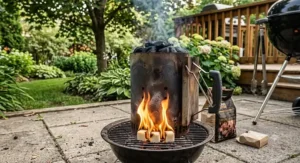
Anyone who’s bitten into a burger that tastes faintly of gasoline understands why natural tinder for BBQ has become such a popular search — lighter fluid is fast, but it leaves a chemical residue that can transfer to food if the coals aren’t fully ashed over before cooking starts. Fatwood works well here because the resin burns clean, without the petroleum aftertaste, though it does take slightly longer to get a full charcoal chimney going compared to a splash of lighter fluid. If you’re a weekend griller cooking for a family of four, two or three sticks of Pine Mountain StarterStikk tucked under a charcoal chimney, lit with a single match, will typically have briquettes ready to dump onto the grate within 15-20 minutes. For a more consistent result with less variability, an odourless cube like the Zip Firestarters or the purpose-built Weber 7417 Fire Starters Lighter Cubes removes the guesswork entirely — you’re not managing resin content or stick placement, just dropping a cube under the coals and lighting it. Common mistake to avoid: piling briquettes too tightly around the starter cuts off the airflow it needs to establish a strong initial flame, so leave gaps for oxygen until the fire is well established, then add more charcoal once the base coals are glowing.
Compressed Fire Starter Cubes: Practical Usage Guide
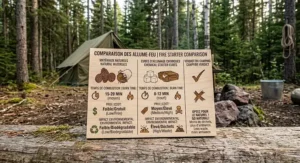
Getting the most out of compressed fire starter cubes comes down to a handful of habits that aren’t always obvious the first time you use one. First, store cubes somewhere genuinely dry — while products like Weber 7417 Fire Starters Lighter Cubes are engineered to still ignite after picking up ambient moisture, performance is always better with a fully dry cube, so a sealed container beats a loose bag left in a damp shed. Second, place the cube under your kindling or charcoal rather than beside it; cubes burn upward more effectively than outward, so positioning it as the base of your fire structure gets you a faster, more complete catch. Third, resist the urge to use two cubes “just in case” for a normal-sized fire — this is one of the most common first-30-days mistakes, and it wastes product without meaningfully improving ignition speed once you’ve got the placement right. Fourth, for charcoal chimneys specifically, load the cube in the very bottom chamber below the briquettes rather than mixed in with them; most Canadian charcoal chimney starters are designed with a lower vent gap specifically for this. Maintenance is minimal since these are single-use products, but check your storage container periodically for humidity buildup — a resealable bin with a silica packet is a cheap, effective upgrade if you’re storing cubes in a garage through a humid Canadian summer.
Real-World Scenario: Matching the Right Starter to Your Setup
If you’re a first-year cottage owner heating a drafty wood stove through shoulder-season weekends, a bulk box like Billy Buckskin Fatwood makes the most sense — you’ll use enough fatwood over a season that the bulk pricing pays off, and fatwood’s damp-weather reliability matters more when your firewood has been sitting outside exposed to lake humidity. If you’re a suburban backyard griller who fires up a charcoal kettle two or three times a month from May through September, the Weber 7417 Fire Starters Lighter Cubes or Zip Firestarters are the better fit — you don’t need bulk quantities, and the odourless, consistent burn matters more than raw natural credentials when you’re cooking food directly over the coals. If you’re a hunter or backcountry camper who needs something compact, waterproof, and genuinely dependable for the one trip where a fire might matter for warmth or safety, the Procamptek Fire Plugs‘ individually wrapped, 5-minute-rated format is worth the higher per-unit cost specifically because failure isn’t an acceptable outcome in that context. Each of these scenarios prioritizes a different variable — cost-per-use, food-safe consistency, or guaranteed reliability — and matching your actual use case to the right variable is more useful than chasing whichever product has the flashiest packaging.
Common Mistakes When Buying Fire Starters
A frequent mistake is buying based purely on piece count without checking burn time per piece — a box of 150 tiny fire starters that each burn for two minutes can actually cost more per usable fire than a smaller box of longer-burning fatwood sticks. Another common error is storing natural fatwood in a sealed plastic bag; unlike cubes, fatwood doesn’t need airtight storage and can occasionally develop a faint mustiness if trapped with residual moisture, so a breathable container works better. Buyers also frequently underestimate how few sticks or cubes they actually need — reviewers across nearly every product in this roundup mention using two to three pieces when the packaging or their own habit suggested more, wasting product and adding unnecessary smoke or scent to the fire. A less obvious mistake is assuming all “natural” labelling means identical performance; resin content in fatwood varies by source, so a bargain-bin natural fire starter with low resin concentration can underperform a well-formulated cube despite the “natural” claim sounding more appealing on the package. Finally, some buyers skip reading the intended-use section on cube packaging — a cube engineered for charcoal chimneys, like the Weber 7417 Fire Starters Lighter Cubes, will still work in an open fireplace, but a cube marketed for indoor fireplace use may not be rated for outdoor wind and weather exposure the way an emergency-grade option like Procamptek Fire Plugs is.
Long-Term Cost & Maintenance: Cost Per Fire Breakdown
| Product | Package Size | Est. Fires Per Package | Approx. Cost Per Fire |
|---|---|---|---|
| Dextreme Natural Fire Starter | 48 cubes | 40-48 fires (1 cube each) | Roughly C$0.25-C$0.35 |
| Zip Firestarters | 64 cubes | 55-64 fires | Roughly C$0.25-C$0.35 |
| Billy Buckskin Fatwood | 10 lb | 60-80 fires (2-3 sticks each) | Roughly C$0.40-C$0.55 |
| Weber 7417 Lighter Cubes | 24 cubes | 20-24 fires | Roughly C$0.45-C$0.65 |
| Procamptek Fire Plugs | 50 plugs | 50 uses (1 plug each) | Roughly C$0.40-C$0.55 |
Looking at the cost-per-fire estimates above, the wood-fibre cubes from Dextreme Natural Fire Starter and Zip Firestarters come out as the most economical on a per-use basis, largely because they need only one cube per fire and the package sizes are generous. The Weber 7417 Lighter Cubes cost noticeably more per fire, which reflects the brand premium and smaller box size rather than a functional shortfall — you’re partly paying for the Weber name and grill-specific engineering. For occasional users, this cost difference is genuinely negligible over a season; for someone running a fire pit multiple times a week, choosing a lower cost-per-fire option like bulk fatwood or wood-fibre cubes can save a noticeable amount over a full Canadian summer.
✨ Don’t miss these picks while they’re in stock! 🔥
Click through to check current pricing on any product above — small details like package size can shift the value equation more than you’d expect.
Safety, Wildfire Rules & Regulations in Canada
Fire starters themselves are largely unregulated consumer products in Canada, but the fires they’re used to light absolutely are, and provincial fire bans during dry summer months apply regardless of what you use to get the flame started. Canada’s federal guidance on wildfire prevention emphasizes checking local fire restrictions and provincial fire danger ratings before lighting any outdoor fire, since even a small, properly contained campfire can be prohibited entirely during high-risk periods — a rule that applies whether you’re using fatwood, a compressed cube, or anything else. It’s also worth understanding that campfire smoke itself carries real health considerations independent of what starter you use; Quebec’s provincial parks agency has flagged fine-particle concentrations from ordinary campfire smoke as a public health topic worth monitoring, particularly for people with respiratory sensitivities camping near frequently used fire pits. From a product-safety standpoint, always let charcoal starter cubes fully burn down and let coals ash over completely before cooking, since residual wax or resin compounds can affect flavour or, in rare cases, produce more smoke than expected if food is placed too soon. Store any wax-based cube away from open flame sources and out of reach of children and pets, and keep fatwood in a dry area away from any ignition source given how easily it catches. None of the seven products in this roundup are rated for use as fireplace starters in appliances explicitly prohibiting solid fuel additives, so it’s worth a quick check of your fireplace or wood stove’s manual if you’re unsure.
Features That Actually Matter (And Those That Don’t)
Burn time, moisture resistance, and consistent sizing are the three specs genuinely worth comparing across products — everything else tends to be marketing dressing. “Eco-friendly” claims matter less than they sound unless a product cites a specific, verifiable sourcing standard, since both fatwood and wood-fibre cubes ultimately come from harvested wood regardless of how the packaging frames it. Scent — or the lack of it — matters a lot if you’re cooking food directly over the flame, which is why odourless cubes like Zip Firestarters and Weber 7417 Fire Starters Lighter Cubes earn a real edge for grilling specifically, even though the pine scent from fatwood is a non-issue for a fireplace or non-food campfire. Piece count sounds like a value signal but is genuinely meaningless without knowing burn time per piece, as covered in the cost-per-fire breakdown above. Waterproofing claims are worth scrutinizing closely: a product like the Procamptek Fire Plugs that’s individually wrapped and rated for genuine wet-weather use is a meaningfully different product from a cube that’s simply “water-resistant” in dry storage but not actually tested against active moisture exposure during use.
Frequently Asked Questions
❓ What's the difference between natural fire starters and fire starter cubes?
❓ Are natural fire starters safe to use on food-grade charcoal grills?
❓ How long do fire starter cubes burn compared to natural tinder?
❓ Can I use fire starters in a campfire during a fire ban?
❓ Which is cheaper long-term, natural fire starters or fire starter cubes?
Conclusion
The honest answer to natural fire starters vs fire starter cubes is that both categories solve the same basic problem through genuinely different mechanisms, and the “best” choice depends entirely on what you’re optimizing for. If damp-weather reliability and a traditional, low-processing feel matter most, fatwood options like Sterno Fatwood or Billy Buckskin Fatwood are hard to beat. If you want odourless consistency for food-safe grilling or a guaranteed burn floor for emergency situations, purpose-built cubes like the Weber 7417 Fire Starters Lighter Cubes or Procamptek Fire Plugs earn their place. Budget-focused buyers who just want a dependable, Canadian-made option without overthinking it will do well with the Dextreme Natural Fire Starter cubes, while frequent grillers looking for mid-range consistency should take a close look at Zip Firestarters. Whichever direction you go, the biggest performance gains come less from the specific product and more from technique — proper placement, appropriate airflow, and respecting local fire restrictions will do more for your success rate than any single spec on this list.
Recommended for You
- Fire Starter Cubes for BBQ and Camping: 7 Best Picks (2026)
- Propane Leak Detector for Home BBQ: 7 Safest Picks for 2026
- Chimney Starter vs Electric Fire Starter: 7 Picks (2026)
Disclaimer: This article contains affiliate links. As an Amazon Associate, I earn from qualifying purchases. If you purchase products through these links, we may earn a small commission at no additional cost to you.
✨ Found this helpful? Share it with your friends! 💬🤗
