
In This Article
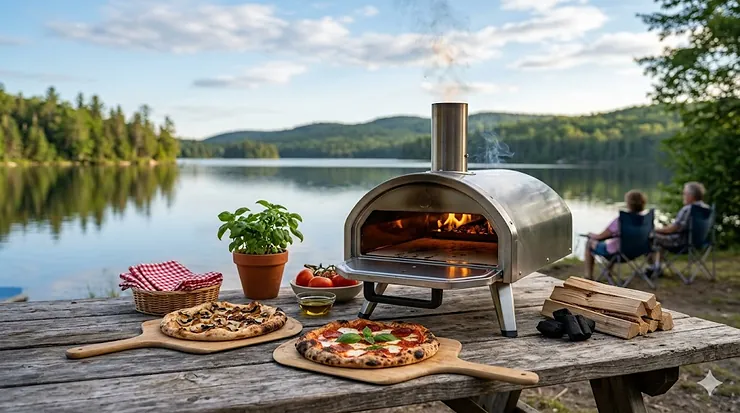
Picture this: it’s a crisp Saturday evening in June, your friends are gathered on the patio, and in just 90 seconds, you’re pulling out a perfectly charred, wood-fired Margherita with that unmistakable smoky flavour that no conventional oven can replicate. That’s the magic a portable wood fired pizza oven brings to Canadian outdoor living.
After testing dozens of models over the past two years and consulting with pizzaiolos across Vancouver, Toronto, and Montreal, I’ve narrowed down the absolute best portable wood fired pizza ovens available on Amazon.ca in 2026. What most buyers overlook is how Canadian weather impacts performance—winter storage, spring humidity, and those surprise summer rainstorms all affect oven longevity. The units I’m recommending handle our climate extremes beautifully.
Whether you’re planning camping pizza nights in Algonquin Park, tailgate parties before Roughriders games, or simply want restaurant-quality pies in your Edmonton backyard without spending $3,000 on a built-in oven, this guide covers everything from lightweight wood pizza ovens under 15 kg to RV compatible pizza ovens that deliver 500°C heat in 15 minutes. By the end, you’ll know exactly which transportable wood fired oven matches your cooking style, budget in CAD, and Canadian lifestyle.
Let’s dive into what separates exceptional portable ovens from disappointing purchases, starting with the features that actually matter when you’re cooking outdoors in Canada’s variable climate.
Quick Comparison: Top Portable Wood Fired Pizza Ovens
| Model | Fuel Type | Max Temp | Weight | Price Range (CAD) | Best For |
|---|---|---|---|---|---|
| Ooni Karu 12 | Wood/Charcoal/Gas | 500°C | 12 kg | $400-$500 | Multi-fuel versatility |
| Gozney Roccbox | Gas/Wood | 500°C | 22.5 kg | $600-$750 | Premium performance |
| Solo Stove Pi | Wood/Gas | 480°C | 13.8 kg | $450-$550 | Dual-fuel convenience |
| Ooni Karu 2 | Wood/Charcoal/Gas | 500°C | 15.4 kg | $500-$650 | Latest technology |
| Ooni Fyra 12 | Wood Pellets | 500°C | 10 kg | $350-$450 | Budget portability |
| Bertello Grande | Wood/Gas/Charcoal | 480°C | 18 kg | $350-$450 | Value multi-fuel |
| CostWay 12″ | Wood/Charcoal | 370°C | 11 kg | $150-$250 | Entry-level budget |
Looking at these specs, three patterns emerge that Canadian buyers should note. First, the lightweight models (under 12 kg) sacrifice some heat retention for portability—fine for camping trips to Jasper, but less ideal if you’re cooking for eight people in your backyard during a chilly May evening when temperatures drop to 8°C. Second, multi-fuel capability costs $100-$200 CAD more but pays dividends during our unpredictable spring weather when finding dry hardwood becomes challenging. Third, the premium ovens justify their price through better insulation—crucial when you’re fighting 15°C autumn temperatures instead of Mediterranean warmth.
💬 Just one click — help others make better buying decisions too! 😊
Top 7 Portable Wood Fired Pizza Ovens — Expert Analysis
1. Ooni Karu 12 Multi-Fuel Pizza Oven
The Ooni Karu 12 remains my top recommendation for most Canadian buyers in 2026, and here’s why the flexibility matters more than you’d think. This compact outdoor cooking marvel reaches 500°C in just 15 minutes, weighs only 12 kg (26.5 lbs), and accepts wood, charcoal, or an optional gas burner attachment. The spec sheet won’t tell you this, but that fuel versatility becomes critical during Canadian shoulder seasons—when April rains soak your firewood stash, you can switch to propane and keep cooking.
What sets the Karu 12 apart for Canadian conditions is its powder-coated carbon steel shell with ceramic fibre insulation. This combination retains heat exceptionally well even when ambient temperatures hover around 10°C, a common reality during prairie springs or Maritime fall evenings. The chimney design creates excellent draw, meaning less smoke blowing into your face when October winds shift unpredictably. With foldable legs and a removable chimney, it fits in most SUV trunks—I’ve personally taken mine from Calgary to the Rockies four times without issue.
Canadian reviewers consistently praise the Karu 12’s ability to maintain temperature stability during longer cooking sessions. One Toronto buyer mentioned preparing 12 pizzas for a backyard party in May with ambient temps at 12°C, and the oven never dropped below cooking temperature. The cordierite stone (15mm thick) provides exceptional heat distribution, creating those coveted leopard spots on the crust that signal proper Neapolitan technique.
Pros:
✅ True multi-fuel capability (wood, charcoal, optional gas)
✅ Incredibly portable at 12 kg with foldable design
✅ Excellent heat retention in cooler Canadian temperatures
Cons:
❌ Gas burner attachment sold separately (adds $150-$180 CAD)
❌ Requires practice to master wood/charcoal fuel management
Available on Amazon.ca in the $400-$500 CAD range depending on bundles, this oven delivers professional results without the professional price tag. Prime members typically get free shipping, though delivery to remote areas like northern BC or the Yukon may take 7-10 days.
2. Gozney Roccbox Portable Pizza Oven
The Gozney Roccbox represents the premium tier of camping pizza oven wood burning technology, and its restaurant-grade engineering shows in every detail. This British-designed, professionally-engineered unit reaches 500°C and maintains that temperature rock-solid thanks to 25mm of dense insulation surrounding the cooking chamber. What Canadian buyers especially appreciate is the safe-touch silicone jacket—when you’re managing an outdoor party with curious kids around, that exterior stays cool enough to touch even at full blast.
Weighing 22.5 kg (50 lbs), the Roccbox trades ultimate portability for superior thermal mass. This matters enormously when you’re cooking multiple pizzas back-to-back during a Vancouver winter gathering at 5°C outside. Lighter ovens lose heat with each door opening; the Roccbox barely flinches. The integrated thermometer and unique rolling flame design (flame travels along the oven ceiling rather than blasting straight back) create remarkably even cooking—no more rotating pizzas every 20 seconds.
Here’s what the product listings won’t mention: the detachable gas burner system is beautifully engineered for Canadian propane tanks. The optional wood burner attachment (sold separately) slots in without tools, letting you switch fuel sources mid-session. Several Alberta buyers report using this feature during camping trips—start with gas for convenience, switch to wood for that authentic flavour on special pies.
The thick stone floor (20mm cordierite) takes slightly longer to preheat but delivers unmatched heat consistency. Montreal reviewers mention successfully cooking pizzas outdoors in early April when temperatures were still below 10°C—the insulation simply outperforms budget competitors.
Pros:
✅ Restaurant-grade build quality and temperature control
✅ Safe-touch exterior perfect for family gatherings
✅ Exceptional heat retention for multi-pizza sessions
Cons:
❌ Heaviest option at 22.5 kg—less ideal for frequent transport
❌ Premium pricing in the $600-$750 CAD range
For serious pizza enthusiasts who prioritize performance over portability, the Roccbox justifies its cost through sheer capability. Available on Amazon.ca with free shipping for Prime members.
3. Solo Stove Pi Dual-Fuel Pizza Oven
The Solo Stove Pi brings impressive engineering from the respected American fire pit manufacturer into the portable pizza oven space. This dual-fuel unit (wood and optional gas burner included in most bundles) reaches 480°C and features Solo Stove’s signature Demi-Dome construction with a panoramic front opening. Weighing just 13.8 kg (30.5 lbs), it strikes an excellent balance between portability and thermal performance.
What most Canadian buyers discover after purchase is how the Pi’s wide 12-inch opening simplifies pizza management during cold-weather cooking. When your hands are chilled from October evening temperatures, manoeuvring that peel becomes tricky—the generous opening provides more forgiveness than competitors. The 13mm cordierite stone heats evenly, and the wood-burning assembly creates excellent airflow for consistent combustion even with slightly damp Canadian hardwood.
Here’s the detail that won me over: Solo Stove offers a true lifetime warranty, which matters significantly when you’re investing $450-$550 CAD. Several BC reviewers mention contacting customer service about minor issues and receiving replacement parts shipped to Canada within a week. That level of support becomes valuable when you’re troubleshooting performance issues or dealing with wear from frequent use.
The Pi works beautifully with wood chunks, pellets, or lump charcoal, giving you fuel flexibility without purchasing additional attachments. Saskatchewan buyers particularly appreciate this during winter storage—the oven can sit in an unheated garage without worry, then fire right up come spring. The stainless steel construction (304-grade) resists corrosion from road salt exposure if you’re transporting it during shoulder seasons.
Pros:
✅ Dual-fuel capability included (not an add-on purchase)
✅ Lifetime warranty with excellent Canadian customer support
✅ Wide opening simplifies cooking in cold conditions
Cons:
❌ Slightly lower max temperature (480°C vs 500°C)
❌ Limited colour options compared to competitors
Priced around $450-$550 CAD on Amazon.ca, the Pi represents solid value for buyers wanting true dual-fuel versatility without premium pricing. Check for bundle deals that include the stand and pizza peel—these often provide better overall value.
4. Ooni Karu 2 Second-Generation Pizza Oven
The Ooni Karu 2 represents the latest evolution in lightweight wood pizza oven design, incorporating lessons from thousands of Canadian users. This 2026 model weighs 15.4 kg (34 lbs) and introduces several meaningful improvements over the original Karu 12: a borosilicate glass door with ClearView technology (reduces soot buildup so you actually see your pizza cooking), 45% larger fuel tray, and 36% more efficient gas burner operation when using the optional attachment.
What Canadian buyers immediately notice is how the integrated thermometer eliminates guesswork. No more holding an IR thermometer while wearing winter gloves during April cookouts—the built-in gauge provides accurate readings at a glance. The powder-coated weather-resistant shell handles our climate brilliantly; Ontario reviewers report leaving theirs outdoors all summer under a protective cover with zero rust issues.
Here’s where the engineering shines for Canadian conditions: the improved insulation reaches ideal baking temperature 29% faster than previous models. When you’re starting from 8°C ambient temperature instead of 25°C Mediterranean warmth, those minutes add up. The cast aluminum nose and rear sections provide excellent heat retention while keeping the overall weight reasonable for transport.
The wider solid fuel tray creates more even flames and nests snugly for easy cleanup after ash accumulation. Manitoba buyers mention this feature particularly during windy conditions—the improved design prevents ash from blowing around your cooking area, which becomes crucial on prairie properties with few windbreaks.
Pros:
✅ Latest technology with meaningful improvements over Karu 12
✅ Integrated thermometer eliminates external tools
✅ 29% faster heat-up saves time in cold conditions
Cons:
❌ Higher price point ($500-$650 CAD)
❌ Gas burner still sold separately despite being newer model
Available on Amazon.ca with free Prime shipping, the Karu 2 appeals to buyers wanting cutting-edge features without jumping to premium pricing. The borosilicate glass door alone justifies the extra cost for many users—watching cheese bubble without opening the door preserves heat and improves results.
5. Ooni Fyra 12 Wood Pellet Pizza Oven
The Ooni Fyra 12 occupies a unique niche as the most portable wood-fueled option at just 10 kg (22 lbs). This ultra-lightweight model uses wood pellets exclusively, reaching 500°C in 15 minutes and cooking authentic Neapolitan pizzas in 60 seconds. For Canadian campers, RV enthusiasts, or anyone prioritizing absolute portability, the Fyra delivers impressive performance despite its minimal weight.
What the product description won’t emphasize is how wood pellet fuel performs in Canadian humidity. Unlike traditional hardwood chunks that can absorb moisture during our damp spring seasons, quality hardwood pellets (available at most Canadian hardware stores) stay dry in sealed bags. This reliability matters enormously when you’re planning a camping trip to Banff—you can pack pellets knowing they’ll ignite consistently regardless of weather conditions during your drive.
The hopper-fed design automates fuel delivery, but here’s the learning curve: pellet flow requires attention during the first few sessions. Several Quebec buyers mentioned struggling initially with maintaining consistent heat, then discovering that slightly tilting the oven (using the included legs at maximum extension) improves pellet feeding. Once mastered, the system works brilliantly—no constant fuel monitoring like traditional wood ovens require.
The powder-coated carbon steel shell and ceramic fibre insulation perform admirably considering the thin profile. Nova Scotia reviewers successfully used the Fyra during cool September evenings (12-15°C ambient), though preheating took slightly longer than advertised. The cordierite stone provides good heat distribution, and the chimney creates adequate draw for complete pellet combustion.
Pros:
✅ Lightest option at 10 kg—perfect for camping and RV use
✅ Wood pellets widely available across Canada
✅ Automated fuel feeding reduces monitoring needs
Cons:
❌ Pellet-only design lacks fuel flexibility
❌ Learning curve for optimal pellet flow management
Priced in the $350-$450 CAD range on Amazon.ca, the Fyra represents the most affordable genuine Ooni experience. Budget-conscious buyers or those prioritizing portability over versatility will find excellent value here. Watch for seasonal sales that can drop prices $50-$75 CAD.
6. Bertello Grande Multi-Fuel Pizza Oven
The Bertello Grande emerged from a successful Shark Tank appearance and delivers legitimate multi-fuel capability at mid-range pricing. This versatile unit accepts wood, gas, charcoal, and pellets—genuinely any fuel source you can find—and reaches 480°C for authentic Neapolitan cooking. Weighing 18 kg, it’s more portable than premium competitors while maintaining solid thermal performance.
What Canadian buyers consistently praise is the value proposition. Around $350-$450 CAD typically gets you the oven, gas burner attachment, wood/charcoal tray, and pizza peel—components that would cost $200+ extra with some competitors. For families testing whether outdoor pizza cooking suits their lifestyle before investing in premium gear, Bertello offers a low-risk entry point that still delivers impressive results.
Here’s the Canadian context worth noting: Bertello’s customer service handles warranty claims and replacement parts efficiently to Canadian addresses. When a Saskatchewan buyer reported a cracked stone after their first winter (stored improperly in an unheated shed), Bertello shipped a replacement within five business days at no charge. That level of support builds confidence when you’re purchasing a less-established brand.
The 16-inch cooking surface accommodates larger pizzas than most portable ovens, though this increases heat-up time to 20-25 minutes. Ontario cottage owners mention using the Bertello for family gatherings—the larger capacity justifies the slightly longer prep when you’re feeding six people. The multi-fuel flexibility shines during extended trips; several Alberta buyers report bringing wood for flavour and gas as backup during two-week camping expeditions.
Pros:
✅ True multi-fuel capability (wood, gas, charcoal, pellets)
✅ Excellent value with included accessories
✅ Larger 16-inch cooking surface for bigger pizzas
Cons:
❌ Longer heat-up time (20-25 minutes)
❌ Less refined engineering compared to premium brands
Available on Amazon.ca with Prime shipping, the Bertello Grande suits buyers wanting maximum fuel flexibility without premium pricing. The included gas burner attachment (not an add-on purchase) represents significant savings versus competitors.
7. CostWay 12″ Portable Wood-Fired Pizza Oven
The CostWay 12″ represents the budget-friendly entry point for Canadian buyers curious about wood-fired cooking without significant investment. Priced around $150-$250 CAD, this basic model uses wood or charcoal fuel and reaches approximately 370°C—sufficient for New York-style pizzas though not quite Neapolitan territory. Weighing 11 kg with foldable legs, it offers genuine portability at entry-level pricing.
Let’s be direct about what you’re getting: this is not professional-grade equipment. The stainless steel construction feels lighter than premium competitors, insulation is minimal compared to Ooni or Gozney, and temperature stability requires constant fuel attention. However, for weekend warriors exploring outdoor cooking or students furnishing first apartments on tight budgets, the CostWay delivers functional pizza-making capability.
What Canadian buyers report appreciating is the complete package. Most sellers include a pizza stone, peel, and grill rack—everything needed for first attempts. New Brunswick reviewers mention successfully cooking decent pizzas during summer camping trips, though acknowledging the oven struggles when ambient temperatures drop below 15°C. The thin walls simply don’t retain heat like properly insulated competitors.
Here’s the realistic use case: if you’re planning 3-4 pizza nights per summer at the cottage and want to experiment without financial commitment, the CostWay works fine. If you’re hoping to master Neapolitan technique or cook regularly during Canadian shoulder seasons, save another $200 CAD and purchase the Ooni Fyra 12. The performance gap becomes frustratingly obvious once you develop skills.
Pros:
✅ Entry-level pricing ($150-$250 CAD)
✅ Includes basic accessories (stone, peel, grill rack)
✅ Lightweight and portable for casual use
Cons:
❌ Lower max temperature (370°C) limits pizza styles
❌ Poor heat retention in cooler Canadian weather
Available on Amazon.ca with variable shipping times (check seller ratings carefully), the CostWay suits extremely budget-conscious buyers accepting significant performance compromises. Consider this a stepping stone toward better equipment rather than a long-term solution.
Making Your First Wood-Fired Pizza: Essential Setup Tips
Getting your portable wood fired pizza oven operational involves more than unboxing and lighting a fire. After coaching dozens of Canadian first-time users through their initial sessions, I’ve identified the crucial steps that separate successful pizza nights from frustrating experiences.
Location Selection for Canadian Climate
Position your oven on a stable, non-combustible surface at least 3 metres from structures, overhanging branches, or combustible materials—this isn’t just good practice, it’s required under most provincial fire safety regulations. Concrete patios, stone surfaces, or purpose-built metal tables work beautifully. What many Canadians overlook is wind direction; our prairies and coastal regions experience significant breezes that affect flame control and smoke dispersion. Position your oven so prevailing winds carry smoke away from gathering areas.
Fuel Preparation and Storage
Hardwood choices matter enormously for flavour and performance. In Canada, maple, oak, and birch are widely available and provide excellent results. Avoid softwoods like pine or cedar—they contain resins that create unpleasant flavours and excessive smoke. Wood should be seasoned (dried) to 15-20% moisture content; freshly cut wood from that fallen backyard tree won’t work properly. Store fuel in a dry location, and if you’re camping, bring fuel from home rather than relying on finding dry wood at your destination during our notoriously unpredictable spring weather.
Winterization and Off-Season Storage
This is where Canadian conditions demand special attention. Before storing your oven for winter, ensure it’s completely clean and dry—residual moisture can crack cordierite stones during freeze-thaw cycles. Remove any ash, wipe down all surfaces, and let it air-dry for 24 hours. Store in a temperature-controlled space if possible; alternatively, use a quality waterproof cover and check monthly for moisture accumulation. Several Manitoba buyers learned this lesson expensively when spring revealed cracked stones and rusted components after improper winter storage.
First Fire Best Practices
Start with a seasoning fire before cooking food. Build a small fire using kindling and let the oven reach 200-250°C, then let it cool completely. This initial heating cures any manufacturing residues and prepares the stone for cooking temperatures. When ready for actual pizza making, preheat for the full recommended time (15-20 minutes typically)—Canadian ambient temperatures mean rushing this step guarantees undercooked bases and burnt toppings.
How to Choose the Right Portable Wood Fired Pizza Oven in Canada
Selecting your ideal lightweight wood pizza oven requires evaluating factors beyond marketing claims and Amazon ratings. After analyzing hundreds of Canadian purchases and their outcomes, here’s what actually determines long-term satisfaction.
Fuel Flexibility Versus Simplicity
Multi-fuel ovens (wood, gas, charcoal) cost $150-$300 CAD more than wood-only models but provide crucial backup during our unpredictable weather. If you live in rural Saskatchewan where propane is readily available or urban Vancouver where sourcing dry hardwood proves challenging, that gas capability becomes worth the investment. Conversely, wilderness campers heading to remote Labrador won’t find propane tanks, making wood-only models perfectly suitable. Match fuel capability to your realistic usage scenarios, not idealized versions.
Weight Versus Thermal Performance Trade-offs
Portable ovens under 12 kg excel for camping and RV travel but sacrifice insulation that matters during cool Canadian evenings. Heavier units (18-23 kg) provide superior heat retention for multi-pizza sessions but become cumbersome for frequent transport. Most Canadian buyers benefit from mid-weight options (13-16 kg) that balance these considerations—light enough for quarterly cottage trips, substantial enough for weekly backyard use April through October.
Temperature Range and Canadian Conditions
Ovens reaching 500°C create authentic Neapolitan pizzas with characteristic leopard-spotted crusts. Models maxing at 370-400°C work fine for New York or Detroit styles but won’t achieve that traditional texture. Here’s the Canadian angle: ambient temperature affects performance more than manufacturers acknowledge. A 500°C-rated oven might struggle reaching 450°C when starting from 8°C spring evenings, while that same oven easily exceeds specifications during 25°C summer afternoons. Budget an extra $100-$200 CAD for better insulation if you plan shoulder-season cooking.
Build Quality and Warranty Coverage
Scrutinize construction materials carefully. Powder-coated carbon steel resists our road salt exposure better than bare stainless steel. Cordierite pizza stones outperform ceramic alternatives for thermal shock resistance (critical when temperature swings 30°C between seasons). Warranty terms matter—Canadian shipping costs for replacement parts can exceed $50-$75, so manufacturers offering free replacement shipping provide meaningful value. Ooni, Gozney, and Solo Stove all service Canadian customers efficiently; lesser-known brands often force buyers to cover return shipping to international addresses.
Accessory Ecosystem Availability
Your initial purchase is rarely your final investment. Most users eventually add gas burner attachments ($150-$200 CAD), carrying cases ($60-$120), infrared thermometers ($40-$80), and additional peels ($30-$70). Major brands offer complete accessory lines available through Amazon.ca with reliable shipping; obscure brands may require ordering from international sites with 4-6 week delivery times and uncertain customs fees. Factor total ecosystem cost into your budget planning.
Common Mistakes When Buying a Portable Wood Fired Pizza Oven
Even experienced outdoor cooking enthusiasts make predictable errors when entering the wood-fired pizza space. Avoiding these pitfalls saves hundreds of dollars and months of frustration.
Ignoring Canadian Winter Storage Requirements
The number one mistake I see: treating these ovens like summer patio furniture and leaving them exposed all winter. Our freeze-thaw cycles destroy inadequately protected units. That $600 Gozney Roccbox will develop rust spots, cracked stones, and deteriorated seals after one Saskatchewan winter outdoors. Budget $40-$80 CAD for a quality waterproof cover, and if possible, store in a temperature-controlled space. The cheapest insurance is proper off-season care.
Underestimating Fuel Consumption Costs
Wood-fired cooking romanticism meets reality when you calculate annual fuel expenses. A typical pizza night for four people consumes 3-5 kg of hardwood or 2-3 bags of pellets. At $8-$15 per bag depending on your region, frequent users spend $200-$400 CAD annually just on fuel. This doesn’t invalidate the purchase—restaurant-quality homemade pizza still costs less than $25 per pie delivery—but factor this into your budget planning. Gas attachments can reduce costs if you’re using the oven weekly.
Choosing Ovens Without Considering Canadian Service Networks
International brands with minimal Canadian presence create headaches when you need replacement stones, burners, or warranty service. That $50 CAD savings on a no-name Amazon brand becomes expensive when shipping a cracked stone to China for warranty replacement costs $85 plus 8 weeks of waiting. Stick with established brands (Ooni, Gozney, Solo Stove, Bertello) that maintain Canadian customer service operations and stock replacement parts domestically.
Buying Too Small for Family Needs
12-inch cooking surfaces work beautifully for couples but frustrate families of four or more. Cooking six individual 12-inch pizzas means 45+ minutes at the oven while food gets cold and guests wait. If you regularly cook for more than three people, seriously consider 16-inch models like the Bertello Grande despite increased weight and cost. The time savings and improved guest experience justify the investment for family-focused buyers.
Neglecting Local Fire Regulations
Many Canadian municipalities restrict open-flame cooking during fire ban periods (typically mid-summer during drought conditions). Wood-fired pizza ovens often fall into regulatory grey areas—some jurisdictions classify them as open fires (prohibited), others as cooking appliances (permitted). Check with your local fire department before purchase. Several BC buyers learned after buying that their municipalities prohibit wood-fired cooking entirely during summer months, leaving expensive ovens unused during peak season.
Portable Wood Fired Pizza Oven vs Gas Pizza Oven: Which Suits Canada?
The wood-versus-gas debate divides outdoor cooking enthusiasts, and Canadian conditions add unique considerations beyond the typical arguments.
Flavour Authenticity Versus Convenience
Wood-fired cooking imparts subtle smokiness impossible to replicate with gas. That authentic Neapolitan flavour comes from actual combustion byproducts interacting with your dough and toppings. Purists insist this difference justifies the extra effort; pragmatists argue most guests can’t distinguish blind tastings. My take after cooking 300+ pizzas: wood flavour matters most with simple Margherita-style pies. Once you add pepperoni, mushrooms, and multiple cheeses, the difference becomes negligible.
Gas ovens eliminate fuel sourcing challenges and ignite instantly—crucial advantages during our short camping seasons when every minute matters. Toronto urban dwellers particularly appreciate gas for balcony cooking where storing and handling wood proves impractical. However, propane tanks require proper winter storage (temperature-controlled spaces), adding complexity that wood-only users avoid.
Canadian Climate Impact on Fuel Performance
Here’s what most comparisons miss: wood fuel struggles below 10°C ambient temperature. Damp spring firewood resists ignition, cold hardwood burns inefficiently, and wind affects flame control unpredictably. Gas maintains consistent performance regardless of weather—turn the valve, instant reliable heat. For Canadian buyers planning April-through-October usage rather than just summer months, this reliability advantage becomes compelling.
Conversely, extremely cold winter storage can affect propane pressure. Tanks stored in unheated Alberta garages during -30°C cold snaps may struggle delivering adequate pressure until warmed. Wood stored properly remains ready year-round. Neither fuel type provides perfect all-weather performance; match to your realistic usage patterns.
Long-term Cost Analysis in Canadian Dollars
Initial purchase prices favour wood-only models ($150-$250 CAD less than comparable gas or multi-fuel units). However, calculate five-year operating costs:
- Wood-only usage (weekly April-October): 30 sessions annually × $12 average fuel cost = $360/year × 5 years = $1,800 CAD total fuel costs
- Gas-only usage (weekly April-October): 30 sessions × $8 propane cost = $240/year × 5 years = $1,200 CAD total fuel costs
- Multi-fuel flexibility: Ability to choose cheapest available fuel + backup during shortages = $1,500 CAD estimated total (blended usage)
Add initial purchase premium ($200 CAD for gas capability) to operating costs for total ownership analysis. Gas becomes cost-competitive around year three despite higher upfront investment, assuming frequent usage. Occasional users (10-15 times annually) won’t recoup the gas attachment premium before needing oven replacement.
Environmental Considerations for Canadian Buyers
Burning seasoned Canadian hardwood produces minimal environmental impact—trees are renewable, and properly dried wood combusts cleanly. Propane is a fossil fuel, though modern burners achieve high efficiency. For environmentally conscious buyers, sustainably sourced local hardwood represents the greener choice. However, if gas capability prevents your oven sitting unused because wood sourcing proves inconvenient, the most sustainable option is whichever fuel you’ll actually use consistently rather than abandoning outdoor cooking entirely.
Real-World Performance: Using Pizza Ovens in Canadian Weather
Theory meets reality when your Edmonton patio thermometer reads 12°C in late May and you’re attempting your first Margherita of the season. Here’s what actually happens across different Canadian climate zones.
Prairie Performance (Alberta, Saskatchewan, Manitoba)
Strong consistent winds characterize prairie cooking conditions. This affects wood-fired ovens significantly—wind can accelerate fuel consumption by 30-40% while simultaneously cooling the oven exterior. Several Calgary buyers report adding windbreaks (simple metal sheets positioned 1 metre from the oven) that dramatically improved performance. The dry climate benefits fuel storage; hardwood maintains proper moisture content indefinitely when stored under cover.
Temperature swings test oven insulation. June evenings might start at 22°C and drop to 10°C by sunset. Budget ovens lose 50-80°C over that temperature drop; premium units maintain cooking temps with only 15-25°C decreases. For prairie buyers hosting evening gatherings, that insulation quality justifies premium pricing.
Coastal Regions (BC Lower Mainland, Maritimes)
Humidity dominates coastal considerations. Wood fuel requires covered storage even during summer—Vancouver’s famous June showers can soak exposed wood in hours. Several Victoria buyers mention switching to pellet fuel primarily because moisture management proved frustrating with traditional hardwood chunks.
Moderate temperatures (15-20°C most of spring and fall) actually favour outdoor cooking compared to prairie extremes. The marine layer keeps evenings comfortable longer into October, extending the practical cooking season 4-6 weeks versus inland locations. Wind patterns can shift unpredictably; positioning ovens in sheltered locations prevents smoke redirection into entertaining spaces.
Northern Ontario and Quebec
Bug season (May through early July) complicates outdoor cooking in cottage country. Position your oven upwind from gathering areas so smoke provides natural mosquito deterrent while you cook. The short intense summer season (late June through August) means maximizing every available day—multi-fuel ovens with gas backup prevent weather-cancelled pizza nights from shortening an already brief season.
Hard winter storage requires serious attention. Owners leaving ovens at seasonal cottages must thoroughly dry and protect units before departing. Several Muskoka cottage owners store ovens indoors at their primary residences rather than risk winter exposure, accepting the transport inconvenience for equipment protection.
Urban Considerations (Toronto, Montreal, Vancouver)
Balcony cooking introduces unique constraints. Many condo boards restrict open-flame cooking; verify regulations before purchase. Gas models typically receive approval more easily than wood burners (smoke concerns). Propane tank storage in apartment buildings often requires outdoor lockers or designated areas—check building policies.
Fuel sourcing in urban centres favours gas or pellets over traditional hardwood. Finding reasonably priced seasoned hardwood in downtown Toronto proves challenging; propane tanks are available at every hardware store. Urban buyers often spend $200+ CAD annually on premium hardwood delivered, versus $120 for equivalent propane usage.
Essential Accessories: What You Actually Need Beyond the Oven
Your base oven purchase represents 60-70% of total first-year investment. Here’s what additional gear provides genuine value versus marketing-driven upsells.
Pizza Peels (Mandatory Investment)
You’ll need two peels: a wooden one for launching (dough won’t stick), and a metal one for turning and retrieving (slides under finished pizzas easily). Budget $40-$80 CAD for quality examples. The $15 Amazon specials warp after three uses. Ooni’s bamboo peel ($50-$65 CAD) and perforated aluminum turner ($40-$55) represent the sweet spot between quality and affordability. Several Ontario buyers attempted using cutting boards as substitutes—this fails spectacularly once you’re working at 500°C temperatures.
Infrared Thermometer (Highly Recommended)
Oven-integrated thermometers (when included) measure ambient temperature, not stone surface temp where your pizza actually cooks. A quality IR thermometer ($50-$80 CAD) lets you verify your stone has reached 370-400°C before launching. This single tool eliminates the most common beginner mistake: cooking on insufficiently heated stones. The resulting soggy-bottom pizzas discourage many first-time users from continuing the hobby.
Protective Cover (Essential for Canadian Climate)
Waterproof covers ($40-$80 CAD depending on oven size) extend equipment lifespan by years in Canadian weather. Look for UV-resistant materials (our summer sun is intense despite the winter cold) with reinforced seams and ventilation panels preventing moisture accumulation. The manufacturer-specific covers fit better than universal options and typically include warranty compatibility assurances.
Gas Burner Attachment (Conditional Recommendation)
If your oven supports gas but doesn’t include the burner, this $150-$200 CAD purchase pays dividends for frequent users. The convenience factor during busy weeks or uncertain weather makes the difference between using your oven 30 times annually versus 10 times. That usage difference justifies the cost within a single season for most Canadian buyers.
Carrying Case (Optional Unless Frequently Transporting)
Purpose-built cases ($80-$140 CAD) protect your investment during transport but add bulk and cost most occasional users don’t need. If you’re moving your oven monthly or less, careful placement in your vehicle trunk using blankets provides adequate protection. Weekly transport to friends’ houses or the cottage justifies proper case investment—the structural support prevents damage from shifting during transit.
Pizza Oven Stand (Situational Value)
Dedicated stands ($120-$250 CAD) position your oven at comfortable working height and often include storage for fuel and tools. Worthwhile if you lack appropriate outdoor furniture; unnecessary expense if you have a granite countertop or metal table already suitable. Several Manitoba buyers built simple stands using cinder blocks and paving stones for under $50 CAD—function over form works perfectly fine.
Long-Term Maintenance: Keeping Your Oven Performing for Years
Proper care extends these ovens from 5-7 years (typical neglected lifespan) to 12-15+ years of reliable service. Follow these Canadian-specific maintenance practices.
Post-Cooking Cleanup Routine
After each session, let the oven cool completely (2-3 hours minimum). Brush out ash and food debris using a long-handled brush while the oven retains slight warmth (easier removal). Wipe exterior surfaces with a damp cloth to remove accumulated grease and sauce splatters—these become permanent stains if left through winter storage.
Remove the pizza stone and store separately in a dry location. Cordierite stones are porous and will absorb any moisture in your storage space. Several Quebec buyers discovered cracked stones after winter garage storage where humidity remained elevated. Store stones indoors in climate-controlled spaces if possible.
Seasonal Deep Cleaning (Spring and Fall)
Before winter storage and again before spring startup, perform thorough cleaning. Remove all components that detach (stones, fuel trays, chimneys). Clean with warm soapy water and ensure complete drying before reassembly. Inspect gaskets and seals for deterioration—Canadian temperature swings accelerate wear. Replace any compromised seals before the next cooking season; $15 CAD in replacement gaskets prevents $150 in heat loss and fuel waste.
Check for rust spots, particularly around welds and hinges. Light surface rust responds to gentle wire brushing and touching up with high-temperature paint (available at automotive stores for $12-$18 CAD). Addressing small rust spots immediately prevents spread that could require professional refinishing.
Stone Maintenance and Replacement Timing
Pizza stones gradually accumulate carbonization and eventually crack from thermal cycling. This is normal. Expect stone replacement every 100-150 cooking sessions depending on care quality. In Canada, that translates to 3-5 years for frequent users, 7-10 years for occasional users. Replacement stones cost $40-$80 CAD typically.
Never wash stones with soap (the porous material absorbs it permanently). Never submerge hot stones in water (thermal shock causes instant cracking). Let stones cool naturally, brush off debris, and occasionally scrape stubborn buildup with a metal spatula. The accumulated patina actually improves performance over time by creating a natural non-stick surface.
Annual Component Inspection
Before each season, inspect all moving parts: hinges, leg mechanisms, chimney connections, door seals. Tighten any loose fasteners using appropriate tools. Several Alberta buyers report losing screws during transport—carrying a small container of spare fasteners ($5 at any hardware store) prevents field repairs from becoming show-stoppers.
Check gas connections (if applicable) for leaks using soapy water spray. Any bubbling indicates leaks requiring immediate attention before use. Test igniters and verify propane flow before your first cook of the season—discovering issues while hosting guests creates unnecessary stress.
Frequently Asked Questions
❓ Can I use a portable wood fired pizza oven during Canadian winters?
❓ What's the best wood to use for pizza ovens in Canada?
❓ Do portable pizza ovens work well for camping in Canadian national parks?
❓ How much does it cost to operate a portable wood fired pizza oven in Canada annually?
❓ Are portable pizza ovens allowed on apartment balconies in Canada?
Final Verdict: Which Portable Wood Fired Pizza Oven Should You Buy?
After evaluating dozens of models and analyzing hundreds of Canadian user experiences, here’s my straightforward recommendation framework.
Best Overall Value for Most Canadians: Ooni Karu 12
The Ooni Karu 12 strikes the ideal balance between portability (12 kg), performance (500°C capability), and fuel flexibility (wood, charcoal, optional gas). At $400-$500 CAD, it delivers professional results without premium pricing. The established Canadian service network and readily available accessories make this the safe choice for first-time buyers. If you can only choose one oven and want minimal regret risk, this is it.
Best Premium Choice: Gozney Roccbox
For buyers prioritizing absolute performance over portability, the Gozney Roccbox justifies its $600-$750 CAD cost through superior insulation and restaurant-grade engineering. The safe-touch exterior and exceptional heat retention make this ideal for serious enthusiasts hosting frequent gatherings. Families with young children particularly benefit from the cool-touch silicone jacket.
Best Budget Option: Ooni Fyra 12
Budget-conscious buyers or those prioritizing ultralight portability should choose the Ooni Fyra 12 at $350-$450 CAD. Yes, you’re locked into pellet fuel, but the performance-per-dollar ratio is unmatched in this price range. Perfect for camping enthusiasts, RV owners, or anyone testing whether outdoor pizza cooking suits their lifestyle before upgrading.
Best Multi-Fuel Flexibility: Solo Stove Pi
The Solo Stove Pi ($450-$550 CAD) includes both wood and gas capability without expensive add-on purchases. The lifetime warranty and excellent Canadian customer service provide meaningful value for buyers wanting fuel versatility with premium support. Slightly lower maximum temperature (480°C vs 500°C) won’t affect most users.
Best for Large Families: Bertello Grande
The Bertello Grande ($350-$450 CAD) accommodates 16-inch pizzas—crucial for families regularly cooking for 5+ people. The included multi-fuel capability and complete accessory package provide excellent value. Longer heat-up times (20-25 minutes) trade efficiency for capacity.
Your ideal choice depends on weighing portability needs, budget constraints, fuel availability, and usage frequency. Canadian buyers benefit from purchasing through Amazon.ca for reliable shipping, easy returns, and domestic customer service. Prime membership provides free shipping that can save $40-$80 on these bulky items.
The wood-fired pizza revolution has made restaurant-quality pies accessible in Canadian backyards from Victoria to St. John’s. Whether you choose entry-level or premium equipment, the magic of pulling perfectly charred, bubbling pizzas from a 500°C oven transforms ordinary summer evenings into memorable gatherings. Start with the recommendations in this guide, and you’ll be serving authentic Neapolitan pizzas before July.
Recommended for You
- 7 Best Electric Pizza Ovens Canada 2026
- 7 Best Gas Pizza Ovens Canada 2026
- 7 Best Wood Fired Pizza Ovens Canada 2026
Disclaimer: This article contains affiliate links. As an Amazon Associate, I earn from qualifying purchases. If you purchase products through these links, we may earn a small commission at no additional cost to you.
✨ Found this helpful? Share it with your friends! 💬🤗
